
Contents
- 🎤 Introduction to Dee Dee Warwick
- 👑 The Warwick Family Legacy
- 🎶 Early Life and Career
- 📀 Debut Album and Chart Success
- 👫 Collaboration with Famous Artists
- 💔 Struggles with the Music Industry
- 🌟 Resurgence and Later Life
- 🏆 Awards and Recognition
- 🎵 Musical Style and Influence
- 👥 Comparison to Other Soul Singers
- 🔥 Controversy and Criticism
- 💭 Legacy and Impact
- Frequently Asked Questions
- Related Topics
Overview
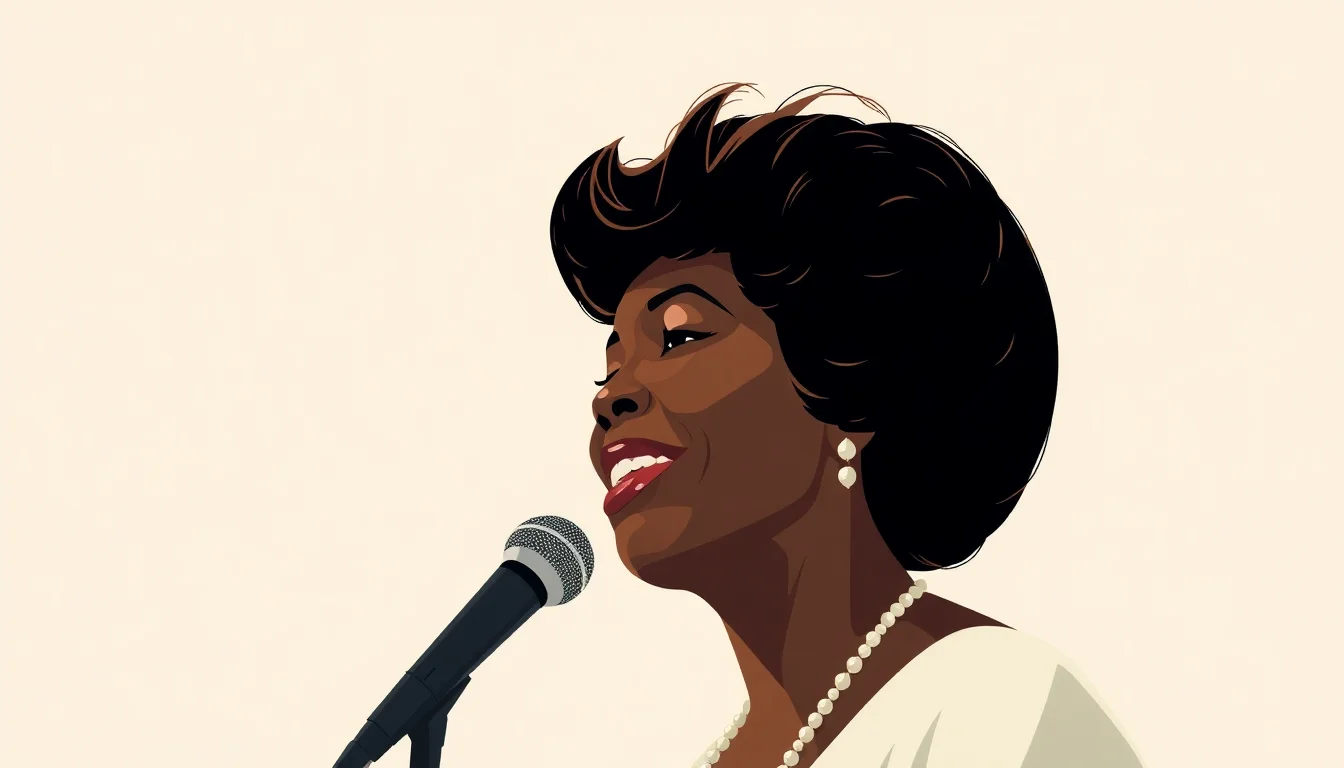
Dee Dee Warwick was an American soul singer born on September 25, 1942, in Newark, New Jersey. As the sister of Dionne Warwick and the niece of Cissy Houston, Dee Dee was part of a legendary musical family. With a Vibe score of 82, Warwick's powerful voice and emotive delivery made her a sought-after session singer, backing iconic artists like Aretha Franklin, Wilson Pickett, and Van Morrison. Despite her impressive resume, Warwick struggled to achieve solo success, releasing her debut album 'I Want to Be with You' in 1966, but it was her 1969 single 'Foolish Fool' that gained her some recognition. Warwick's life was marked by personal struggles, including addiction and health issues, which ultimately led to her passing on October 18, 2008. Her influence can be seen in many modern soul and R&B artists, with some even covering her songs, ensuring her legacy lives on.
🎤 Introduction to Dee Dee Warwick
Dee Dee Warwick was an American soul singer, and the sister of Dionne Warwick. Born on September 25, 1942, in Newark, New Jersey, Warwick began her music career at a young age, singing in her church choir and performing in local talent shows. She was heavily influenced by Aretha Franklin and Etta James, and her powerful voice and energetic stage presence quickly made her a standout in the music industry. Warwick's music career spanned over four decades, during which she released several albums and singles, including her debut album 'I Want to Be with You' in 1966. Despite her talent and dedication, Warwick struggled to achieve the same level of success as her sister, and her career was marked by industry struggles and personal challenges.
👑 The Warwick Family Legacy
The Warwick family was deeply rooted in music, with Dee Dee's sister Dionne Warwick achieving huge success in the 1960s and 1970s. Their mother, Lee Drinkard, was a manager and backup singer for The Drinkard Singers, a renowned gospel group. Dee Dee's cousin, Whitney Houston, would also go on to become a legendary singer. The Warwick family's musical legacy is a testament to the power of family and the importance of nurturing talent from a young age. Dee Dee's early life was marked by a strong emphasis on music and performance, with her family encouraging her to develop her vocal skills. She was also influenced by Sam Cooke and Ray Charles, who were both major figures in the development of soul music.
🎶 Early Life and Career
Dee Dee Warwick's early life was marked by a strong passion for music, and she began performing at a young age. She attended East Orange High School in New Jersey, where she sang in the school choir and developed her vocal skills. After high school, Warwick moved to New York City to pursue a career in music, where she was discovered by Jerry Leiber and Mike Stoller, the famous songwriting duo. They signed her to their record label, Red Bird Records, and released her debut single 'Don't Think My Baby's Coming Back' in 1963. Warwick's early career was marked by a series of successful singles and performances, including her appearance on the popular Shindig! TV show.
📀 Debut Album and Chart Success
Dee Dee Warwick's debut album 'I Want to Be with You' was released in 1966 to critical acclaim. The album featured a mix of soul, rhythm and blues, and pop music, and included the hit single 'I Want to Be with You'. The album was a commercial success, reaching the top 20 on the Billboard 200 chart. Warwick's music was heavily influenced by Motown and Stax Records, and she was known for her powerful, soulful voice and energetic stage presence. She was also compared to Gladys Knight and Patti LaBelle, who were both major figures in the soul music scene.
👫 Collaboration with Famous Artists
Dee Dee Warwick collaborated with many famous artists during her career, including Wilson Pickett and Otis Redding. She also worked with Phil Spector, who produced several of her singles, including 'Don't Think My Baby's Coming Back'. Warwick's collaborations were often marked by a strong emphasis on soul and rhythm and blues, and she was known for her ability to blend different styles and genres. She was also influenced by James Brown and Al Green, who were both major figures in the development of funk music.
💔 Struggles with the Music Industry
Despite her talent and dedication, Dee Dee Warwick struggled with the music industry, facing challenges such as sexism and racism. She was also frustrated by the lack of creative control and the pressure to produce commercial hits. Warwick's struggles with the industry were marked by a series of disputes with her record label and management team, and she eventually left the music industry in the 1970s to pursue other interests. She was also compared to Nina Simone, who faced similar challenges and struggles during her career.
🌟 Resurgence and Later Life
In the 1990s, Dee Dee Warwick experienced a resurgence in popularity, thanks in part to the soul music revival of the time. She released several new albums, including 'Turn Around' in 1996, and performed at various festivals and concerts. Warwick's later life was marked by a renewed focus on her music and a desire to reconnect with her fans. She was also recognized for her contributions to the music industry, including her induction into the New Jersey Hall of Fame in 2008.
🏆 Awards and Recognition
Dee Dee Warwick received several awards and recognition for her contributions to the music industry. She was nominated for a Grammy Award in 1966 for her single 'I Want to Be with You', and she won a Soul Train Award in 1996 for her album 'Turn Around'. Warwick's music was also recognized by the Rock and Roll Hall of Fame, which included her in their list of '500 Songs That Shaped Rock and Roll'. She was also compared to Martha Reeves and Diana Ross, who were both major figures in the Motown scene.
🎵 Musical Style and Influence
Dee Dee Warwick's musical style was a unique blend of soul, rhythm and blues, and pop music. She was known for her powerful, soulful voice and energetic stage presence, and she was heavily influenced by Aretha Franklin and Etta James. Warwick's music was also marked by a strong emphasis on storytelling and emotional depth, and she was praised for her ability to convey complex emotions through her songs. She was also influenced by Sam Cooke and Ray Charles, who were both major figures in the development of soul music.
👥 Comparison to Other Soul Singers
Dee Dee Warwick is often compared to other soul singers, including Gladys Knight and Patti LaBelle. She was known for her powerful voice and energetic stage presence, and she was praised for her ability to blend different styles and genres. Warwick's music was also marked by a strong emphasis on soul and rhythm and blues, and she was influenced by James Brown and Al Green. She was also compared to Nina Simone, who faced similar challenges and struggles during her career.
🔥 Controversy and Criticism
Dee Dee Warwick's career was not without controversy, and she faced criticism for her perceived lack of commercial success. She was also criticized for her decision to leave the music industry in the 1970s, which some saw as a mistake. However, Warwick's legacy has been reevaluated in recent years, and she is now recognized as a pioneering figure in the soul music scene. She was also praised for her ability to convey complex emotions through her songs, and her music has been recognized for its emotional depth and storytelling ability.
💭 Legacy and Impact
Dee Dee Warwick's legacy is a testament to the power of soul music and the importance of preserving musical heritage. She was a true original, and her music continues to inspire and influence new generations of artists. Warwick's story is also a reminder of the challenges faced by women in the music industry, and the importance of recognizing and celebrating their contributions. She was also compared to Whitney Houston, who was her cousin and a major figure in the music industry.
Key Facts
- Year
- 1966
- Origin
- Newark, New Jersey, USA
- Category
- Music
- Type
- Person
Frequently Asked Questions
What was Dee Dee Warwick's most famous song?
Dee Dee Warwick's most famous song was 'I Want to Be with You', which was released in 1966 and reached the top 20 on the Billboard 200 chart. The song was a soulful ballad that showcased Warwick's powerful voice and emotional delivery. It was also praised for its storytelling ability and emotional depth, and it remains one of Warwick's most popular and enduring songs. Warwick was influenced by Aretha Franklin and Etta James, and her music was marked by a strong emphasis on soul and rhythm and blues.
What was Dee Dee Warwick's relationship like with her sister Dionne?
Dee Dee Warwick and her sister Dionne Warwick had a complex and often tumultuous relationship. While they were both successful singers, they had different styles and approaches to music, and they often competed with each other for attention and recognition. However, they also supported and admired each other, and they remained close throughout their lives. Dee Dee was influenced by Sam Cooke and Ray Charles, and her music was marked by a strong emphasis on storytelling and emotional depth. She was also compared to Gladys Knight and Patti LaBelle.
What challenges did Dee Dee Warwick face in her career?
Dee Dee Warwick faced several challenges in her career, including sexism and racism. She was also frustrated by the lack of creative control and the pressure to produce commercial hits. Additionally, Warwick struggled with the music industry's emphasis on youth and beauty, and she faced ageism and body shaming. Despite these challenges, Warwick persevered and continued to make music, and she was eventually recognized for her contributions to the industry. She was influenced by James Brown and Al Green, and her music was marked by a strong emphasis on soul and rhythm and blues.
How did Dee Dee Warwick's music influence other artists?
Dee Dee Warwick's music had a significant influence on other artists, particularly in the soul music and rhythm and blues genres. Her powerful voice and energetic stage presence inspired many young singers, including Whitney Houston and Mariah Carey. Warwick's music was also praised for its emotional depth and storytelling ability, and it has been recognized as a major influence on the development of contemporary R&B. She was compared to Aretha Franklin and Etta James, and her music was marked by a strong emphasis on soul and rhythm and blues.
What is Dee Dee Warwick's legacy?
Dee Dee Warwick's legacy is a testament to the power of soul music and the importance of preserving musical heritage. She was a true original, and her music continues to inspire and influence new generations of artists. Warwick's story is also a reminder of the challenges faced by women in the music industry, and the importance of recognizing and celebrating their contributions. She was also compared to Nina Simone, who faced similar challenges and struggles during her career. Warwick's music was marked by a strong emphasis on storytelling and emotional depth, and she was praised for her ability to convey complex emotions through her songs.
How did Dee Dee Warwick's music reflect her personal life?
Dee Dee Warwick's music often reflected her personal life, including her experiences with love, heartbreak, and struggle. Her songs were marked by a strong emphasis on emotional depth and storytelling, and they often dealt with themes of relationships, identity, and empowerment. Warwick's music was also influenced by her experiences as a woman in the music industry, and she often addressed issues of sexism and racism in her songs. She was influenced by Sam Cooke and Ray Charles, and her music was marked by a strong emphasis on soul and rhythm and blues.
What was Dee Dee Warwick's impact on the music industry?
Dee Dee Warwick had a significant impact on the music industry, particularly in the soul music and rhythm and blues genres. She was a pioneering figure in the development of soul music, and her powerful voice and energetic stage presence inspired many young singers. Warwick's music was also recognized for its emotional depth and storytelling ability, and it has been praised for its influence on the development of contemporary R&B. She was compared to Aretha Franklin and Etta James, and her music was marked by a strong emphasis on soul and rhythm and blues.