
Contents
- 🔥 Introduction to Hardcore Punk
- 🎸 Roots of Hardcore Punk
- 🤘 Early Influences and Scenes
- 📢 Characteristics of Hardcore Punk
- 🎶 Lyrical Themes and Social Commentary
- 🤝 The DIY Ethos and Anti-Commercialism
- 🌎 Global Spread and Regional Scenes
- 📊 Notable Bands and Discography
- 👊 Controversy and Criticism
- 🔜 Evolution and Legacy of Hardcore Punk
- 🎧 Modern-Day Hardcore Punk and Its Influence
- Frequently Asked Questions
- Related Topics
Overview
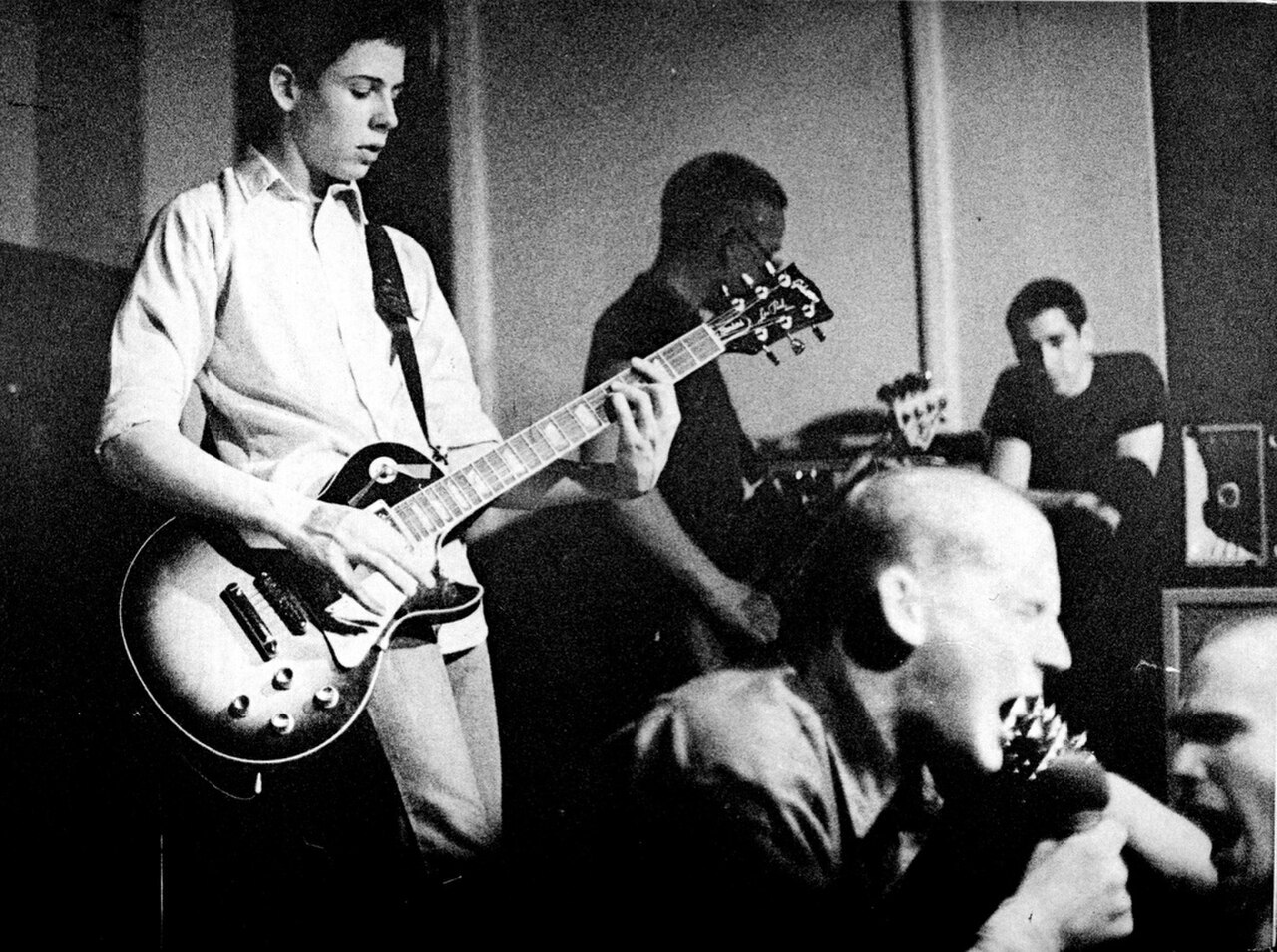
Hardcore punk is a punk rock subgenre and subculture that originated in the late 1970s, characterized by its fast-paced and aggressive sound. The genre has its roots in earlier punk scenes in San Francisco and Southern California, which emerged as a reaction against the predominant hippie cultural climate of the time. As a distinct subgenre, hardcore punk was also influenced by Washington, D.C., and New York punk rock, as well as early proto-punk bands. With its DIY ethos and anti-commercial stance, hardcore punk has maintained a strong sense of community and social awareness, often addressing social and political topics through its lyrics. For more information on the punk rock genre, visit Punk Rock. The influence of hardcore punk can also be seen in other genres, such as Post-Hardcore.
🎸 Roots of Hardcore Punk
The roots of hardcore punk can be traced back to the late 1970s, when punk rock was still in its early stages. Bands like The Ramones and The Clash were among the first to inspire the hardcore punk movement, with their fast-paced and energetic sound. The hardcore punk scene in Washington, D.C. was particularly influential, with bands like Bad Brains and Minor Threat helping to define the sound and style of the genre. As the genre evolved, it also drew inspiration from other sources, including hard rock and heavy metal. The early days of hardcore punk are also closely tied to the Straight Edge movement, which emphasized a lifestyle free from drugs and alcohol. For more information on the Straight Edge movement, visit Straight Edge Movement.
🤘 Early Influences and Scenes
The early influences and scenes that shaped hardcore punk were diverse and widespread. In addition to the punk rock scenes in San Francisco and Southern California, the genre was also influenced by the New York punk scene, which included bands like The Ramones and Blondie. The Washington, D.C. punk scene was another key hub, with bands like Bad Brains and Minor Threat helping to define the sound and style of the genre. As the genre evolved, it also drew inspiration from other sources, including hard rock and heavy metal. The early days of hardcore punk are also closely tied to the Straight Edge movement, which emphasized a lifestyle free from drugs and alcohol. For more information on the Washington, D.C. punk scene, visit Washington, D.C. Punk Scene.
📢 Characteristics of Hardcore Punk
Hardcore punk is characterized by its fast-paced and aggressive sound, often featuring fast tempo and aggressive vocals. The genre also often features distorted guitar and driving rhythm, which helps to create a sense of energy and intensity. In addition to its sound, hardcore punk is also defined by its DIY ethos and anti-commercial stance, with many bands self-releasing their music and avoiding the mainstream music industry. The genre's lyrical themes often focus on social and political topics, with many bands using their music as a way to express their views and critique societal norms. For more information on the DIY ethos, visit DIY Ethos. The influence of hardcore punk can also be seen in other genres, such as Post-Hardcore.
🤝 The DIY Ethos and Anti-Commercialism
The DIY ethos is a central aspect of hardcore punk, with many bands self-releasing their music and avoiding the mainstream music industry. This approach allows bands to maintain control over their music and artistic vision, while also creating a sense of community and cooperation within the genre. The DIY ethos is also reflected in the genre's independent labels and self-released music, which often feature low-budget production and lo-fi sound quality. Despite its anti-commercial stance, hardcore punk has had a significant influence on the music industry, with many bands achieving mainstream success and helping to shape the sound of alternative rock and punk rock. For more information on independent labels, visit Independent Labels.
🌎 Global Spread and Regional Scenes
Hardcore punk has spread globally, with regional scenes and local bands emerging in many different parts of the world. The genre has been particularly popular in North America, Europe, and Australia, with many bands achieving international success and helping to shape the sound of global punk. Despite its global reach, hardcore punk remains a grassroots genre, with many bands and fans maintaining a strong sense of community and cooperation. For more information on global punk, visit Global Punk. The influence of hardcore punk can also be seen in other genres, such as Post-Hardcore.
📊 Notable Bands and Discography
There are many notable bands and discographies within the hardcore punk genre, with some of the most influential bands including Bad Brains, Minor Threat, and Black Flag. These bands have helped to define the sound and style of the genre, and have had a significant influence on the development of punk rock and alternative rock. Other notable bands within the genre include The Ramones, The Clash, and The Misfits, who have all made significant contributions to the sound and style of hardcore punk. For more information on The Ramones, visit The Ramones.
👊 Controversy and Criticism
Hardcore punk has been the subject of controversy and criticism, with some critics accusing the genre of being aggressive and misogynistic. However, many fans and bands within the genre argue that these criticisms are misinformed and unfair, and that the genre is actually a positive force for social change and personal empowerment. Despite the controversy, hardcore punk remains a vibrant and diverse genre, with many bands and fans continuing to create and enjoy music that is energetic, intense, and meaningful. For more information on the controversy surrounding hardcore punk, visit Hardcore Punk Controversy.
🔜 Evolution and Legacy of Hardcore Punk
As a genre, hardcore punk has evolved significantly over the years, with many bands incorporating new sounds and styles into their music. Despite its evolution, the genre remains committed to its DIY ethos and anti-commercial stance, with many bands continuing to self-release their music and avoid the mainstream music industry. The legacy of hardcore punk can be seen in many other genres, including post-hardcore, emo, and screamo, which have all been influenced by the sound and style of hardcore punk. For more information on post-hardcore, visit Post-Hardcore.
🎧 Modern-Day Hardcore Punk and Its Influence
Today, hardcore punk remains a thriving and diverse genre, with many bands and fans continuing to create and enjoy music that is energetic, intense, and meaningful. The genre's influence can be seen in many other areas of music and culture, from punk rock and alternative rock to fashion and art. As a genre, hardcore punk continues to evolve and adapt, with many new bands and styles emerging all the time. For more information on the current state of hardcore punk, visit Hardcore Punk Today.
Key Facts
- Year
- 1978
- Origin
- United States
- Category
- Music
- Type
- Music Genre
Frequently Asked Questions
What is hardcore punk?
Hardcore punk is a punk rock subgenre and subculture that originated in the late 1970s, characterized by its fast-paced and aggressive sound. The genre has its roots in earlier punk scenes in San Francisco and Southern California, which emerged as a reaction against the predominant hippie cultural climate of the time. For more information on the punk rock genre, visit Punk Rock.
What are the characteristics of hardcore punk?
Hardcore punk is characterized by its fast-paced and aggressive sound, often featuring fast tempo and aggressive vocals. The genre also often features distorted guitar and driving rhythm, which helps to create a sense of energy and intensity. For more information on the characteristics of hardcore punk, visit Hardcore Punk Characteristics.
What is the DIY ethos in hardcore punk?
The DIY ethos is a central aspect of hardcore punk, with many bands self-releasing their music and avoiding the mainstream music industry. This approach allows bands to maintain control over their music and artistic vision, while also creating a sense of community and cooperation within the genre. For more information on the DIY ethos, visit DIY Ethos.
What are some notable bands in the hardcore punk genre?
There are many notable bands within the hardcore punk genre, including Bad Brains, Minor Threat, and Black Flag. These bands have helped to define the sound and style of the genre, and have had a significant influence on the development of punk rock and alternative rock. For more information on these bands, visit Bad Brains, Minor Threat, and Black Flag.
What is the legacy of hardcore punk?
The legacy of hardcore punk can be seen in many other genres, including post-hardcore, emo, and screamo, which have all been influenced by the sound and style of hardcore punk. The genre's influence can also be seen in many other areas of music and culture, from punk rock and alternative rock to fashion and art. For more information on the legacy of hardcore punk, visit Hardcore Punk Legacy.
What is the current state of hardcore punk?
Today, hardcore punk remains a thriving and diverse genre, with many bands and fans continuing to create and enjoy music that is energetic, intense, and meaningful. The genre's influence can be seen in many other areas of music and culture, from punk rock and alternative rock to fashion and art. For more information on the current state of hardcore punk, visit Hardcore Punk Today.
How has hardcore punk influenced other genres?
Hardcore punk has had a significant influence on many other genres, including post-hardcore, emo, and screamo. The genre's sound and style have also influenced many other areas of music and culture, from punk rock and alternative rock to fashion and art. For more information on the influence of hardcore punk, visit Hardcore Punk Influence.