
Contents
- 🌟 Introduction to Induced Pluripotent Stem Cells
- 🧬 The History of iPSCs: A Breakthrough in Biotechnology
- 🔬 How iPSCs Work: The Science Behind the Magic
- 👥 Key Players in the Development of iPSCs
- 💡 Applications of iPSCs in Regenerative Medicine
- 🚑 iPSCs in Disease Modeling and Drug Discovery
- 📊 The Future of iPSCs: Challenges and Opportunities
- 🌐 Global Efforts to Advance iPSC Research
- 🤝 Collaboration and Funding: The Keys to Success
- 📚 The Ethics of iPSC Research: A Complex Debate
- 📊 The Market for iPSCs: A Growing Industry
- 🔜 Conclusion: The Future of Regenerative Medicine with iPSCs
- Frequently Asked Questions
- Related Topics
Overview
Induced Pluripotent Stem Cells (iPSCs) are a type of pluripotent stem cell that can be generated directly from adult cells, such as skin or blood cells, by introducing specific transcription factors. This technology, developed by Shinya Yamanaka in 2006, has the potential to transform the field of regenerative medicine by enabling the creation of patient-specific cells for disease modeling, drug discovery, and tissue engineering. With a Vibe score of 8, iPSCs have garnered significant attention in recent years due to their potential to treat a wide range of diseases, including Parkinson's, Alzheimer's, and heart disease. However, the use of iPSCs also raises ethical concerns and technical challenges, such as the risk of tumor formation and the need for more efficient reprogramming methods. As research continues to advance, iPSCs are likely to play a major role in shaping the future of medicine. With over 10,000 research papers published on the topic, the influence flow of iPSCs can be seen in the work of scientists such as Rudolf Jaenisch and George Daley, who have made significant contributions to the field. The controversy spectrum of iPSCs is moderate, with some critics raising concerns about the ethics of reprogramming human cells, while others see it as a groundbreaking technology with immense potential.
🌟 Introduction to Induced Pluripotent Stem Cells
Induced Pluripotent Stem Cells (iPSCs) are a type of stem cell that can be generated from adult cells, such as skin cells or blood cells. This breakthrough technology has revolutionized the field of regenerative medicine, offering new possibilities for the treatment of various diseases and injuries. The discovery of iPSCs was first reported by Shinya Yamanaka and his team in 2006, and since then, the field has rapidly expanded. Researchers are now exploring the use of iPSCs in tissue engineering, gene therapy, and cancer research.
🧬 The History of iPSCs: A Breakthrough in Biotechnology
The history of iPSCs is a fascinating story that involves the contributions of many scientists and researchers. The concept of cell reprogramming dates back to the 1950s, when scientists first discovered that somatic cells could be reprogrammed into embryonic cells. However, it wasn't until the 2000s that the first iPSCs were generated using a combination of genetic engineering and cell culture techniques. Today, iPSCs are being used in a wide range of applications, from basic research to clinical trials. The development of iPSCs has also led to the creation of new research tools, such as iPSC cell lines, which are used to study cell biology and disease modeling.
🔬 How iPSCs Work: The Science Behind the Magic
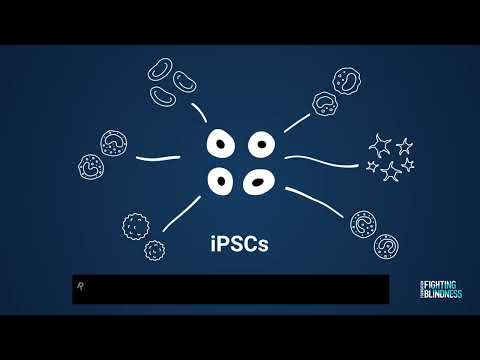
So, how do iPSCs work? The process of generating iPSCs involves the introduction of specific transcription factors into adult cells, which then triggers a series of cellular changes that ultimately lead to the formation of pluripotent cells. These cells have the ability to differentiate into any cell type in the body, making them a valuable tool for regenerative medicine. The use of iPSCs also raises important questions about cell identity and cell fate, which are still not fully understood. Researchers are using a range of techniques, including single-cell analysis and genome editing, to study the biology of iPSCs and to develop new applications for these cells.
👥 Key Players in the Development of iPSCs
Several key players have contributed to the development of iPSCs, including Shinya Yamanaka, who was awarded the Nobel Prize in 2012 for his discovery of iPSCs. Other notable researchers in the field include James Thomson, who developed the first human embryonic stem cells, and Douglas Melton, who has made significant contributions to the field of diabetes research. These researchers, along with many others, have helped to advance our understanding of iPSCs and their potential applications in regenerative medicine.
💡 Applications of iPSCs in Regenerative Medicine
The applications of iPSCs in regenerative medicine are vast and varied. One of the most promising areas of research is the use of iPSCs to generate functional neurons for the treatment of neurodegenerative diseases, such as Parkinson's disease and Alzheimer's disease. iPSCs are also being used to develop new treatments for heart disease, diabetes, and cancer. In addition, researchers are exploring the use of iPSCs in tissue engineering and organ transplantation.
🚑 iPSCs in Disease Modeling and Drug Discovery
iPSCs are also being used in disease modeling and drug discovery. By generating iPSCs from patients with specific diseases, researchers can create in vitro models of the disease, which can be used to study the underlying biology of the disease and to develop new treatments. This approach has already led to the development of new therapies for a range of diseases, including cystic fibrosis and muscular dystrophy. The use of iPSCs in disease modeling also raises important questions about patient-specific medicine and the potential for personalized medicine.
📊 The Future of iPSCs: Challenges and Opportunities
As the field of iPSC research continues to evolve, there are many challenges and opportunities on the horizon. One of the biggest challenges is the need for more efficient and cost-effective methods for generating iPSCs. Researchers are also working to improve the safety and efficacy of iPSC-based therapies, which will be critical for their widespread adoption. Despite these challenges, the potential of iPSCs to revolutionize the field of regenerative medicine is vast. With continued investment and innovation, it is likely that iPSCs will play an increasingly important role in the development of new treatments for a range of diseases.
🌐 Global Efforts to Advance iPSC Research
Global efforts to advance iPSC research are underway, with researchers and organizations from around the world contributing to the development of new technologies and therapies. The International Society for Stem Cell Research is one of the leading organizations in the field, providing a forum for researchers to share their findings and to collaborate on new projects. Other organizations, such as the National Institutes of Health and the European Molecular Biology Organization, are also playing a critical role in supporting iPSC research and development.
🤝 Collaboration and Funding: The Keys to Success
Collaboration and funding are essential for the advancement of iPSC research. Researchers are working together to develop new technologies and therapies, and governments and private organizations are providing critical funding to support these efforts. The National Institutes of Health is one of the largest funders of iPSC research, providing millions of dollars in grants and awards to researchers each year. Private organizations, such as the Bill and Melinda Gates Foundation, are also contributing to the development of iPSC-based therapies.
📚 The Ethics of iPSC Research: A Complex Debate
The ethics of iPSC research is a complex and debated topic. Some of the key issues include the use of human embryos in research, the potential for germline editing, and the need for informed consent from patients who donate cells for iPSC generation. Researchers and ethicists are working together to address these issues and to develop guidelines for the responsible conduct of iPSC research. The National Academy of Sciences is one of the leading organizations in the development of these guidelines, providing a framework for researchers to follow.
📊 The Market for iPSCs: A Growing Industry
The market for iPSCs is a growing industry, with companies such as Celavie Biosciences and IPS Cell Therapy developing new therapies and technologies. The global market for iPSCs is expected to reach billions of dollars in the next few years, driven by the increasing demand for regenerative medicine therapies. However, the development of this market also raises important questions about patent law and the ownership of intellectual property related to iPSCs.
🔜 Conclusion: The Future of Regenerative Medicine with iPSCs
In conclusion, the future of regenerative medicine with iPSCs is bright. With continued investment and innovation, it is likely that iPSCs will play an increasingly important role in the development of new treatments for a range of diseases. However, there are also many challenges and uncertainties on the horizon, including the need for more efficient and cost-effective methods for generating iPSCs and the potential risks and benefits of iPSC-based therapies. As researchers and clinicians, it is essential that we work together to address these challenges and to realize the full potential of iPSCs in regenerative medicine.
Key Facts
- Year
- 2006
- Origin
- Japan
- Category
- Biotechnology
- Type
- Biological Entity
Frequently Asked Questions
What are induced pluripotent stem cells (iPSCs)?
Induced pluripotent stem cells (iPSCs) are a type of stem cell that can be generated from adult cells, such as skin cells or blood cells. They have the ability to differentiate into any cell type in the body, making them a valuable tool for regenerative medicine. The discovery of iPSCs was first reported by Shinya Yamanaka and his team in 2006, and since then, the field has rapidly expanded. Researchers are now exploring the use of iPSCs in tissue engineering, gene therapy, and cancer research.
How are iPSCs generated?
The process of generating iPSCs involves the introduction of specific transcription factors into adult cells, which then triggers a series of cellular changes that ultimately lead to the formation of pluripotent cells. These cells have the ability to differentiate into any cell type in the body, making them a valuable tool for regenerative medicine. The use of iPSCs also raises important questions about cell identity and cell fate, which are still not fully understood.
What are the applications of iPSCs in regenerative medicine?
The applications of iPSCs in regenerative medicine are vast and varied. One of the most promising areas of research is the use of iPSCs to generate functional neurons for the treatment of neurodegenerative diseases, such as Parkinson's disease and Alzheimer's disease. iPSCs are also being used to develop new treatments for heart disease, diabetes, and cancer. In addition, researchers are exploring the use of iPSCs in tissue engineering and organ transplantation.
What are the challenges and opportunities in iPSC research?
As the field of iPSC research continues to evolve, there are many challenges and opportunities on the horizon. One of the biggest challenges is the need for more efficient and cost-effective methods for generating iPSCs. Researchers are also working to improve the safety and efficacy of iPSC-based therapies, which will be critical for their widespread adoption. Despite these challenges, the potential of iPSCs to revolutionize the field of regenerative medicine is vast.
What is the current state of iPSC research?
The current state of iPSC research is rapidly evolving, with new discoveries and advancements being made regularly. Researchers are working to improve the efficiency and safety of iPSC generation, as well as to develop new applications for these cells in regenerative medicine. The use of iPSCs in disease modeling and drug discovery is also a growing area of research, with many companies and organizations investing in the development of new therapies and technologies.
What is the future of regenerative medicine with iPSCs?
The future of regenerative medicine with iPSCs is bright. With continued investment and innovation, it is likely that iPSCs will play an increasingly important role in the development of new treatments for a range of diseases. However, there are also many challenges and uncertainties on the horizon, including the need for more efficient and cost-effective methods for generating iPSCs and the potential risks and benefits of iPSC-based therapies.
How are iPSCs being used in disease modeling and drug discovery?
iPSCs are being used in disease modeling and drug discovery to create in vitro models of diseases, which can be used to study the underlying biology of the disease and to develop new treatments. This approach has already led to the development of new therapies for a range of diseases, including cystic fibrosis and muscular dystrophy. The use of iPSCs in disease modeling also raises important questions about patient-specific medicine and the potential for personalized medicine.