
Contents
Overview
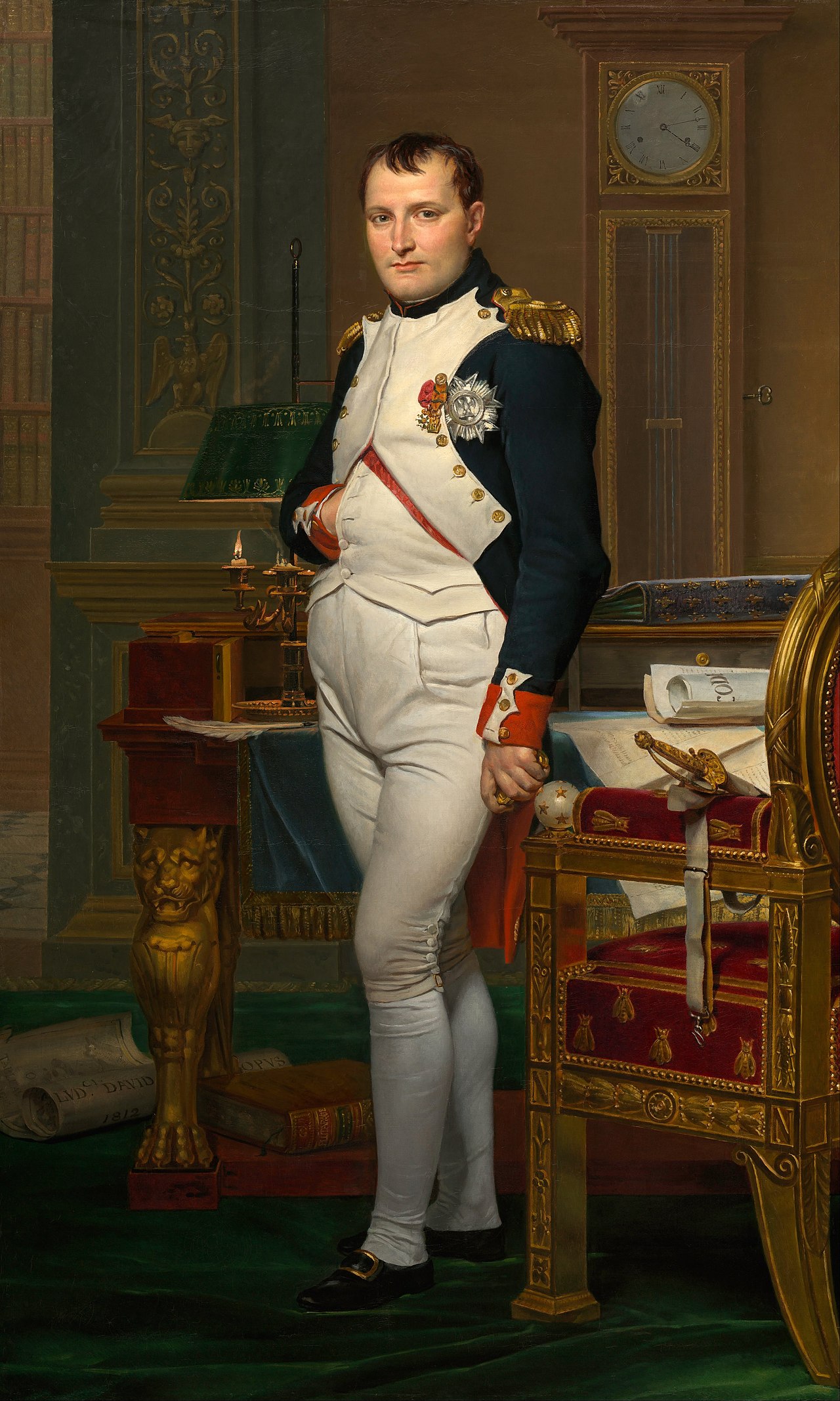
Napoleon Bonaparte, born on August 15, 1769, in Ajaccio, Corsica, rose to prominence during the French Revolution, seizing power in a coup d'état in 1799. He centralized authority, reorganized the French government, and expanded the empire through a series of military conquests, including the victories at Austerlitz in 1805 and Jena in 1806. However, his disastrous invasion of Russia in 1812 and the subsequent defeat at Leipzig in 1813 marked the beginning of his downfall. Exiled to Elba in 1814, Napoleon escaped and regained power for a brief period, known as the Hundred Days, before his final defeat at Waterloo on June 18, 1815. With a Vibe score of 92, Napoleon's legacy remains highly debated, with some viewing him as a brilliant military strategist and others as a power-hungry dictator. His influence can be seen in the works of historians such as Andrew Roberts and Adam Zamoyski, who have written extensively on his life and campaigns.
🏛️ Introduction to Napoleon Bonaparte
Napoleon Bonaparte, later known by his regnal name Napoleon I, was a French military and political leader who rose to prominence during the French Revolution. He is widely regarded as one of the greatest military minds in history, and his campaigns and battles are still studied by military strategists around the world. Napoleon's rise to power was swift and decisive, and he quickly became a dominant force in European politics. He implemented numerous reforms, including the Napoleonic Code, which remains an important part of French law to this day. As a statesman, Napoleon worked to centralize power and create a more efficient administrative system, as seen in his creation of the Prefect system.
📚 Early Life and Education
Napoleon was born on August 15, 1769, in Ajaccio, Corsica, to a family of minor nobility. His early life was marked by a strong sense of ambition and a desire to make a name for himself. He attended the École Militaire in Paris, where he graduated in 1785 and became a second lieutenant in the French army. Napoleon's education and training prepared him for a career in the military, and he quickly distinguished himself as a talented and fearless officer. He was influenced by the writings of Jean-Jacques Rousseau and the ideas of the Enlightenment, which emphasized the importance of reason and individual rights. Napoleon's experiences during the French Revolution also shaped his views on politics and governance, as seen in his involvement with the Committee of Public Safety.
💪 Rise to Power
Napoleon's rise to power was swift and decisive. He became a general at the age of 24 and quickly gained recognition for his military genius. He led a series of successful campaigns in Italy and Egypt, and his victories earned him widespread acclaim and admiration. In 1799, Napoleon participated in a coup d'état that overthrew the French government, and he became the ruler of France. He established the Consulate, a three-person governing body that gave him significant power and control. Napoleon's leadership style was characterized by his ability to inspire loyalty and devotion in his troops, as seen in his relationship with the Grande Armée. He was also a skilled politician, able to navigate the complex web of alliances and rivalries that defined European politics at the time, including his relationships with United Kingdom and Russian Empire.
🏹 Military Campaigns
Napoleon's military campaigns are legendary, and he is widely regarded as one of the greatest military minds in history. He led a series of successful campaigns across Europe and the Middle East, including the Italian Campaign and the Egyptian Campaign. His military strategies and tactics are still studied by military strategists around the world, and his use of Napoleonic Warfare revolutionized the art of war. Napoleon's military genius was characterized by his ability to adapt to changing circumstances and to inspire his troops to fight with courage and determination. He was also a skilled logistician, able to mobilize and supply large armies over long distances, as seen in his use of the Corps system. Napoleon's military campaigns had a profound impact on European history, shaping the course of the Napoleonic Wars and the future of European politics.
📈 Reforms and Legacy
As a statesman, Napoleon implemented numerous reforms in France and Europe. He established the Napoleonic Code, a comprehensive set of laws that remains an important part of French law to this day. He also centralized power and created a more efficient administrative system, as seen in his creation of the Prefect system. Napoleon's reforms had a profound impact on European society, shaping the course of modern history and influencing the development of law, politics, and governance. He was a strong believer in the importance of education, and he established a number of schools and universities, including the University of France. Napoleon's reforms also had a significant impact on the economy, as seen in his establishment of the Banque de France and his promotion of trade and commerce.
👑 Emperor of the French
In 1804, Napoleon was crowned Emperor of the French, marking the beginning of the Napoleonic Empire. He established a new imperial system, with himself as the supreme ruler. Napoleon's empire was marked by a series of military conquests and territorial expansions, as he sought to spread his influence and power across Europe. He was a skilled diplomat, able to navigate the complex web of alliances and rivalries that defined European politics at the time, including his relationships with Austria and Prussia. Napoleon's imperial system was characterized by its centralized power structure and its emphasis on military strength and conquest.
💥 The Fall of Napoleon
Napoleon's fall from power was swift and decisive. He was defeated at the Battle of Leipzig in 1813, and his empire began to crumble. He was forced to abdicate the throne in 1814, and he was exiled to the island of Elba. However, Napoleon escaped from Elba in 1815 and returned to power in France for a brief period, known as the Hundred Days. He was finally defeated at the Battle of Waterloo in 1815, and he was exiled again, this time to the island of Saint Helena, where he died in 1821. Napoleon's legacy is complex and multifaceted, and he remains one of the most fascinating and influential figures in modern history. He was a brilliant military strategist and a skilled politician, but he was also a ruthless and power-hungry leader who was willing to do whatever it took to achieve his goals.
🌍 European Impact
Napoleon's impact on Europe was profound, and his legacy continues to shape the course of modern history. He played a significant role in the development of modern nationalism, and his military campaigns and conquests helped to spread the ideas of the French Revolution across Europe. Napoleon's reforms and legacy also had a significant impact on the development of law, politics, and governance in Europe, as seen in the establishment of the Congress of Vienna. He was a strong believer in the importance of education and culture, and he established a number of schools, universities, and cultural institutions, including the Louvre museum. Napoleon's impact on European society was also significant, as he helped to spread the ideas of the Enlightenment and to promote the values of reason, individual rights, and democracy.
🤝 International Relations
Napoleon's international relations were complex and multifaceted, and he played a significant role in shaping the course of modern diplomacy. He was a skilled diplomat, able to navigate the complex web of alliances and rivalries that defined European politics at the time, including his relationships with United States and Ottoman Empire. Napoleon's diplomatic efforts were often marked by a combination of charm, persuasion, and coercion, as he sought to achieve his goals and expand his influence across Europe. He was a strong believer in the importance of international cooperation and diplomacy, and he worked to establish a number of alliances and treaties, including the Treaty of Tilsit.
📊 Economic Consequences
Napoleon's economic policies had a significant impact on the French economy, and his legacy continues to shape the course of modern economic history. He established a number of economic institutions, including the Banque de France, and he promoted trade and commerce through a number of policies and initiatives. Napoleon's economic policies were often marked by a combination of protectionism and liberalism, as he sought to promote French industry and commerce while also encouraging international trade and cooperation. He was a strong believer in the importance of infrastructure development, and he invested heavily in the construction of roads, bridges, and canals, including the Canal du Midi.
👀 Lasting Impact
Napoleon's lasting impact on history is profound, and he remains one of the most fascinating and influential figures in modern history. He was a brilliant military strategist and a skilled politician, but he was also a ruthless and power-hungry leader who was willing to do whatever it took to achieve his goals. Napoleon's legacy continues to shape the course of modern history, and his impact can be seen in a number of areas, including law, politics, governance, and international relations. He was a complex and multifaceted figure, and his life and legacy continue to fascinate and inspire people around the world. As a historical figure, Napoleon remains a subject of ongoing debate and discussion, with some viewing him as a hero and others as a villain. Regardless of one's perspective, however, it is clear that Napoleon was a significant figure in modern history, and his impact will continue to be felt for generations to come.
Key Facts
- Year
- 1769
- Origin
- Ajaccio, Corsica
- Category
- History
- Type
- Historical Figure
Frequently Asked Questions
Who was Napoleon Bonaparte?
Napoleon Bonaparte was a French military and political leader who rose to prominence during the French Revolution. He is widely regarded as one of the greatest military minds in history, and his campaigns and battles are still studied by military strategists around the world. Napoleon was a complex and multifaceted figure, and his life and legacy continue to fascinate and inspire people around the world. He was a brilliant military strategist and a skilled politician, but he was also a ruthless and power-hungry leader who was willing to do whatever it took to achieve his goals. As a historical figure, Napoleon remains a subject of ongoing debate and discussion, with some viewing him as a hero and others as a villain.
What were Napoleon's major accomplishments?
Napoleon's major accomplishments include his military campaigns and conquests, his establishment of the Napoleonic Code, and his centralization of power and creation of a more efficient administrative system. He also established a number of economic institutions, including the Banque de France, and promoted trade and commerce through a number of policies and initiatives. Napoleon's legacy continues to shape the course of modern history, and his impact can be seen in a number of areas, including law, politics, governance, and international relations. He was a strong believer in the importance of education and culture, and he established a number of schools, universities, and cultural institutions, including the Louvre museum.
What were the causes of Napoleon's fall from power?
The causes of Napoleon's fall from power were complex and multifaceted. He was defeated at the Battle of Leipzig in 1813, and his empire began to crumble. He was forced to abdicate the throne in 1814, and he was exiled to the island of Elba. However, Napoleon escaped from Elba in 1815 and returned to power in France for a brief period, known as the Hundred Days. He was finally defeated at the Battle of Waterloo in 1815, and he was exiled again, this time to the island of Saint Helena, where he died in 1821. Napoleon's fall from power was also due to a combination of internal and external factors, including the growing opposition to his rule, the economic troubles faced by France, and the military defeats suffered by his armies.
What is Napoleon's legacy?
Napoleon's legacy is complex and multifaceted, and he remains one of the most fascinating and influential figures in modern history. He was a brilliant military strategist and a skilled politician, but he was also a ruthless and power-hungry leader who was willing to do whatever it took to achieve his goals. Napoleon's legacy continues to shape the course of modern history, and his impact can be seen in a number of areas, including law, politics, governance, and international relations. He was a strong believer in the importance of education and culture, and he established a number of schools, universities, and cultural institutions, including the Louvre museum. As a historical figure, Napoleon remains a subject of ongoing debate and discussion, with some viewing him as a hero and others as a villain.
How did Napoleon's military campaigns impact Europe?
Napoleon's military campaigns had a profound impact on Europe, shaping the course of modern history and influencing the development of law, politics, and governance. His conquests and territorial expansions helped to spread the ideas of the French Revolution across Europe, and his military strategies and tactics are still studied by military strategists around the world. Napoleon's military campaigns also had a significant impact on the development of modern nationalism, and his legacy continues to shape the course of modern international relations. He was a skilled diplomat, able to navigate the complex web of alliances and rivalries that defined European politics at the time, including his relationships with Austria and Prussia.