
Contents
- 🎸 Introduction to Nevermind
- 📆 Release and Reception
- 🎶 Musical Style and Influences
- 📻 Radio-Friendly Sound
- 🎧 Recording and Production
- 👥 Band Dynamics and Lineup
- 📊 Commercial Success and Impact
- 🔥 Cultural Significance and Legacy
- 🤔 Controversy and Criticism
- 📈 Influence on the Music Industry
- 👀 Conclusion and Lasting Impact
- Frequently Asked Questions
- Related Topics
Overview
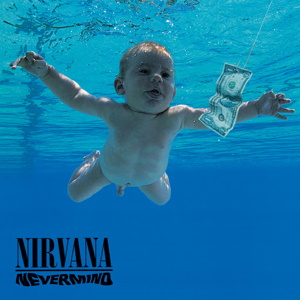
The album Nevermind, released on September 24, 1991, by American rock band Nirvana, marked a significant shift in the music landscape. Produced by Butch Vig, Nevermind was the band's first release to feature drummer Dave Grohl. The album's polished, radio-friendly sound was a departure from the band's prior work, such as their debut album Bleach. Nevermind was recorded at Sound City Studios in Van Nuys, California, and Smart Studios in Madison, Wisconsin, in May and June 1991. The album's mastering was done at the Mastering Lab in Hollywood, California, in August 1991. The band's lead singer, Kurt Cobain, was the primary songwriter for the album, and his unique voice and style are prominent throughout. Nevermind is often credited with popularizing the Grunge genre, which emerged in the late 1980s and early 1990s. The album's success can be attributed to the combination of Cobain's songwriting and the band's energetic live performances, which helped to establish them as a major force in the music industry.
📆 Release and Reception
Nevermind was released to widespread critical acclaim, with many praising the album's catchy melodies and introspective lyrics. The album was a commercial success, selling over 30 million copies worldwide, and is widely considered one of the best albums of all time. The album's lead single, Smells Like Teen Spirit, was a huge success, reaching the top of the charts in several countries. The album's success can be attributed to the band's unique sound, which blended elements of Punk Rock, Heavy Metal, and Alternative Rock. The album's production, handled by Butch Vig, played a significant role in shaping the band's sound and helping them to achieve mainstream success. Nevermind has been certified Diamond by the RIAA, denoting sales of over 10 million copies in the United States alone. The album's impact on the music industry was significant, and it is often credited with helping to popularize the Grunge genre and paving the way for other bands such as Pearl Jam and Soundgarden.
🎶 Musical Style and Influences
Nevermind's musical style is characterized by its heavy use of distorted guitars, driving rhythms, and introspective lyrics. The album's sound is often described as a fusion of Punk Rock, Heavy Metal, and Alternative Rock, with influences from bands such as The Melvins and The Pixies. The album's lyrics, written primarily by Kurt Cobain, deal with themes of alienation, social disillusionment, and personal struggle. The album's sound is also notable for its use of dynamic range, with quiet, introspective moments giving way to loud, explosive sections. The band's use of feedback and distortion adds to the album's sonic texture, creating a sense of tension and release. Nevermind's musical style has been widely influential, and can be heard in the work of later bands such as Foo Fighters and Queens of the Stone Age. The album's influence can also be seen in the work of other artists, such as Radiohead and Arcade Fire.
📻 Radio-Friendly Sound
The album's radio-friendly sound was a deliberate attempt by the band to create a more commercial sound. The band had previously released music on independent labels, but with Nevermind, they were signed to a major label, DGC Records, and were looking to create an album that would appeal to a wider audience. The album's production, handled by Butch Vig, played a significant role in shaping the band's sound and helping them to achieve mainstream success. The album's sound is characterized by its use of catchy melodies, simple chord progressions, and a focus on songcraft. The album's lead single, Smells Like Teen Spirit, was a huge success, and its catchy melody and introspective lyrics helped to establish the band as a major force in the music industry. The album's radio-friendly sound has been widely influential, and can be heard in the work of later bands such as Weezer and Green Day.
🎧 Recording and Production
The recording of Nevermind was a relatively quick process, with the band spending just over a month in the studio. The album was recorded at Sound City Studios in Van Nuys, California, and Smart Studios in Madison, Wisconsin, in May and June 1991. The band worked with producer Butch Vig to create a more polished sound, and the album's production is notable for its use of double tracking and other studio techniques. The album's mastering was done at the Mastering Lab in Hollywood, California, in August 1991. The band's lead singer, Kurt Cobain, was the primary songwriter for the album, and his unique voice and style are prominent throughout. The album's recording process was relatively straightforward, with the band working quickly to capture the songs live in the studio. The album's production has been widely praised, and is often cited as one of the best-produced albums of all time. The album's influence can be seen in the work of other artists, such as The White Stripes and The Strokes.
👥 Band Dynamics and Lineup
The band's dynamics and lineup played a significant role in the creation of Nevermind. The band's lead singer, Kurt Cobain, was the primary songwriter and driving force behind the album. The band's drummer, Dave Grohl, was a new addition to the band, and his energetic drumming style helped to shape the album's sound. The band's bassist, Krist Novoselic, provided a solid foundation for the album's rhythm section, and his melodic bass lines added depth and complexity to the album's sound. The band's guitarist, Kurt Cobain, was the primary guitarist and vocalist for the album, and his unique voice and style are prominent throughout. The band's lineup and dynamics have been widely influential, and can be seen in the work of later bands such as Arctic Monkeys and The Libertines.
📊 Commercial Success and Impact
Nevermind was a huge commercial success, selling over 30 million copies worldwide. The album was certified Diamond by the RIAA, denoting sales of over 10 million copies in the United States alone. The album's success can be attributed to the band's unique sound, which blended elements of Punk Rock, Heavy Metal, and Alternative Rock. The album's lead single, Smells Like Teen Spirit, was a huge success, reaching the top of the charts in several countries. The album's success helped to establish the band as a major force in the music industry, and paved the way for other bands such as Pearl Jam and Soundgarden. The album's influence can be seen in the work of other artists, such as Red Hot Chili Peppers and Foo Fighters. The album's commercial success has been widely recognized, and it is often cited as one of the best-selling albums of all time.
🔥 Cultural Significance and Legacy
Nevermind has had a significant cultural impact, and is widely regarded as one of the most influential albums of all time. The album's release coincided with a shift in the music landscape, as Grunge and Alternative Rock began to gain mainstream popularity. The album's influence can be seen in the work of later bands such as Foo Fighters and Queens of the Stone Age, and its impact on the music industry has been widely recognized. The album's cultural significance extends beyond the music industry, with its themes of alienation and social disillusionment resonating with a generation of young people. The album's influence can be seen in the work of other artists, such as Bjork and Radiohead. The album's cultural significance has been widely recognized, and it is often cited as one of the most important albums of the 1990s.
🤔 Controversy and Criticism
Despite its widespread critical acclaim and commercial success, Nevermind has not been without controversy. Some critics have argued that the album's polished sound and commercial success marked a sell-out for the band, and that the album's themes of alienation and social disillusionment were watered down by its mainstream appeal. Others have criticized the album's lyrics, arguing that they are misogynistic and homophobic. The album's lead singer, Kurt Cobain, was also criticized for his behavior and antics, which were seen as self-destructive and irresponsible. The controversy surrounding Nevermind has been widely recognized, and the album's impact on the music industry has been the subject of much debate. The album's influence can be seen in the work of other artists, such as Oasis and Blur.
📈 Influence on the Music Industry
Nevermind's influence on the music industry has been significant, and can be seen in the work of later bands such as Foo Fighters and Queens of the Stone Age. The album's polished sound and commercial success helped to pave the way for other Alternative Rock bands, and its themes of alienation and social disillusionment resonated with a generation of young people. The album's influence can also be seen in the work of other artists, such as Radiohead and Arcade Fire. The album's impact on the music industry has been widely recognized, and it is often cited as one of the most influential albums of all time. The album's influence has also been recognized by other artists, such as Paul McCartney and David Bowie.
👀 Conclusion and Lasting Impact
In conclusion, Nevermind is a landmark album that has had a significant impact on the music industry. The album's polished sound and commercial success helped to pave the way for other Alternative Rock bands, and its themes of alienation and social disillusionment resonated with a generation of young people. The album's influence can be seen in the work of later bands such as Foo Fighters and Queens of the Stone Age, and its impact on the music industry has been widely recognized. The album's cultural significance extends beyond the music industry, with its themes of alienation and social disillusionment continuing to resonate with young people today. The album's influence has also been recognized by other artists, such as Bjork and Radiohead. As the music industry continues to evolve, the influence of Nevermind can be seen in the work of new and emerging artists, and its impact on the music industry will continue to be felt for years to come.
Key Facts
- Year
- 1991
- Origin
- Seattle, Washington, USA
- Category
- Music
- Type
- Album
Frequently Asked Questions
What is the name of Nirvana's second studio album?
Nirvana's second studio album is called Nevermind. It was released on September 24, 1991, by DGC Records. The album was produced by Butch Vig and features a more polished, radio-friendly sound than the band's prior work. Nevermind is widely considered one of the best albums of all time, and its influence can be seen in the work of later bands such as Foo Fighters and Queens of the Stone Age. The album's lead single, Smells Like Teen Spirit, was a huge success, and its catchy melody and introspective lyrics helped to establish the band as a major force in the music industry. Nevermind has been certified Diamond by the RIAA, denoting sales of over 10 million copies in the United States alone.
Who was the primary songwriter for Nevermind?
The primary songwriter for Nevermind was Kurt Cobain. Cobain was the lead singer and guitarist for Nirvana, and his unique voice and style are prominent throughout the album. Cobain's songwriting for Nevermind dealt with themes of alienation, social disillusionment, and personal struggle, and his lyrics are widely regarded as some of the most insightful and introspective of the 1990s. The album's polished sound and commercial success helped to establish Cobain as a major songwriter and performer, and his influence can be seen in the work of later artists such as Radiohead and Arcade Fire. Nevermind's success can be attributed to Cobain's songwriting, as well as the band's energetic live performances, which helped to establish them as a major force in the music industry.
What was the name of the lead single from Nevermind?
The lead single from Nevermind was Smells Like Teen Spirit. The song was a huge success, reaching the top of the charts in several countries, and its catchy melody and introspective lyrics helped to establish the band as a major force in the music industry. Smells Like Teen Spirit is widely regarded as one of the greatest songs of all time, and its influence can be seen in the work of later bands such as Foo Fighters and Queens of the Stone Age. The song's success can be attributed to its unique blend of Punk Rock, Heavy Metal, and Alternative Rock, as well as its introspective lyrics, which dealt with themes of alienation and social disillusionment. Smells Like Teen Spirit has been certified Platinum by the RIAA, denoting sales of over 1 million copies in the United States alone.
What is the cultural significance of Nevermind?
Nevermind has had a significant cultural impact, and is widely regarded as one of the most influential albums of all time. The album's release coincided with a shift in the music landscape, as Grunge and Alternative Rock began to gain mainstream popularity. The album's themes of alienation and social disillusionment resonated with a generation of young people, and its influence can be seen in the work of later bands such as Foo Fighters and Queens of the Stone Age. Nevermind's cultural significance extends beyond the music industry, with its themes of alienation and social disillusionment continuing to resonate with young people today. The album's influence has also been recognized by other artists, such as Bjork and Radiohead, and its impact on the music industry will continue to be felt for years to come.
What is the commercial success of Nevermind?
Nevermind was a huge commercial success, selling over 30 million copies worldwide. The album was certified Diamond by the RIAA, denoting sales of over 10 million copies in the United States alone. The album's success can be attributed to the band's unique sound, which blended elements of Punk Rock, Heavy Metal, and Alternative Rock, as well as its introspective lyrics, which dealt with themes of alienation and social disillusionment. Nevermind's commercial success helped to establish the band as a major force in the music industry, and paved the way for other Alternative Rock bands. The album's influence can be seen in the work of later bands such as Foo Fighters and Queens of the Stone Age, and its impact on the music industry has been widely recognized.
What is the influence of Nevermind on the music industry?
Nevermind's influence on the music industry has been significant, and can be seen in the work of later bands such as Foo Fighters and Queens of the Stone Age. The album's polished sound and commercial success helped to pave the way for other Alternative Rock bands, and its themes of alienation and social disillusionment resonated with a generation of young people. Nevermind's influence can also be seen in the work of other artists, such as Radiohead and Arcade Fire. The album's impact on the music industry has been widely recognized, and it is often cited as one of the most influential albums of all time. Nevermind's influence has also been recognized by other artists, such as Paul McCartney and David Bowie, and its impact on the music industry will continue to be felt for years to come.
What is the legacy of Nevermind?
Nevermind's legacy is significant, and it continues to be felt in the music industry today. The album's influence can be seen in the work of later bands such as Foo Fighters and Queens of the Stone Age, and its themes of alienation and social disillusionment continue to resonate with young people. Nevermind's legacy extends beyond the music industry, with its impact on popular culture and society as a whole. The album's influence has been recognized by other artists, such as Bjork and Radiohead, and its impact on the music industry will continue to be felt for years to come. Nevermind's legacy is a testament to the power of music to shape and reflect our culture, and its influence will continue to be felt for generations to come.