
Contents
- 📸 Introduction to Radiology
- 🔍 History of Radiology
- 📊 Evolution of Medical Imaging
- 💻 Digital Radiography
- 🌐 Ultrasonography and Beyond
- 🔬 Magnetic Resonance Imaging (MRI)
- 📞 Computed Tomography (CT) and Fluoroscopy
- 🔍 Nuclear Medicine and Positron Emission Tomography (PET)
- 👨⚕️ Interventional Radiology
- 💡 Future of Radiology
- 🤝 Radiology and Artificial Intelligence
- 📊 Conclusion and Future Directions
- Frequently Asked Questions
- Related Topics
Overview
Radiology, a field born out of the discovery of X-rays by Wilhelm Conrad Röntgen in 1895, has evolved significantly over the years, incorporating various imaging modalities such as CT scans, MRI, and ultrasound. Today, radiology stands at the crossroads of technological advancement, with artificial intelligence (AI) and machine learning (ML) being integrated into imaging analysis, promising more accurate and efficient diagnoses. However, this integration also raises questions about job displacement, data privacy, and the potential for biased algorithms. The influence of key figures like Dr. John Boone, who has significantly contributed to the understanding of radiation doses in CT scans, underscores the human element in the advancement of radiology. As the field continues to evolve, it's crucial to consider the ethical implications and ensure that these advancements benefit patient care without compromising safety or privacy. With a vibe score of 8, reflecting its dynamic and somewhat controversial nature, radiology is a topic of intense interest and debate. The future of radiology will likely be shaped by how effectively it balances technological innovation with ethical considerations, making it an area to watch in the coming years.
📸 Introduction to Radiology
Radiology is the medical specialty that uses medical imaging to diagnose diseases and guide treatment within the bodies of humans and other animals. It began with radiography, but today it includes all imaging modalities. This includes technologies that use no ionizing electromagnetic radiation, such as ultrasonography and MRI, as well as others that do use radiation, such as CT, fluoroscopy, and nuclear medicine including PET. The field of radiology has undergone significant transformations over the years, with advancements in technology and imaging techniques. For instance, the development of digital radiography has improved image quality and reduced radiation exposure. Moreover, the integration of artificial intelligence in radiology has enhanced diagnostic accuracy and streamlined clinical workflows.
🔍 History of Radiology
The history of radiology dates back to the late 19th century, when Wilhelm Roentgen discovered X-rays in 1895. This breakthrough led to the development of radiography, which revolutionized medical imaging. Over the years, radiology has evolved to include various imaging modalities, such as ultrasonography, MRI, and CT. The introduction of digital radiography has further transformed the field, enabling faster and more accurate image acquisition and processing. Furthermore, the development of interventional radiology has expanded the scope of radiology, allowing for minimally invasive procedures to be performed under imaging guidance. As a result, radiology has become an essential component of modern medicine, with a significant impact on patient care and outcomes.
📊 Evolution of Medical Imaging
The evolution of medical imaging has been marked by significant advancements in technology and imaging techniques. The development of CT and MRI has enabled high-resolution imaging of internal structures, while ultrasonography has provided a non-invasive means of imaging soft tissues. Moreover, the introduction of PET and nuclear medicine has allowed for functional imaging of the body, enabling the diagnosis and treatment of various diseases. The integration of artificial intelligence in radiology has also improved diagnostic accuracy and streamlined clinical workflows. For example, AI-powered algorithms can help detect abnormalities in medical images, such as tumors or fractures, and provide radiologists with valuable insights for diagnosis and treatment. Additionally, the development of telemedicine has expanded access to radiology services, enabling patients to receive medical care remotely.
💻 Digital Radiography
Digital radiography has revolutionized the field of radiology, enabling faster and more accurate image acquisition and processing. This technology uses electronic detectors to capture X-ray images, which are then processed and stored digitally. The advantages of digital radiography include improved image quality, reduced radiation exposure, and increased efficiency. Moreover, digital radiography has enabled the development of picture archiving and communication systems, which allow for the storage and retrieval of medical images. The integration of artificial intelligence in digital radiography has also improved diagnostic accuracy, enabling radiologists to detect abnormalities and diagnose diseases more effectively. For instance, AI-powered algorithms can help detect breast cancer from mammography images, improving early detection and treatment outcomes. Furthermore, the development of teleradiology has expanded access to radiology services, enabling patients to receive medical care remotely.
🌐 Ultrasonography and Beyond
Ultrasonography has become a vital component of medical imaging, providing a non-invasive means of imaging soft tissues. This technology uses high-frequency sound waves to produce images of internal structures, such as organs and blood vessels. The advantages of ultrasonography include its non-invasive nature, low cost, and lack of ionizing radiation. Moreover, ultrasonography has enabled the development of interventional radiology, allowing for minimally invasive procedures to be performed under imaging guidance. The integration of artificial intelligence in ultrasonography has also improved diagnostic accuracy, enabling radiologists to detect abnormalities and diagnose diseases more effectively. For example, AI-powered algorithms can help detect liver cancer from ultrasound images, improving early detection and treatment outcomes. Additionally, the development of contrast-enhanced ultrasound has improved image quality, enabling radiologists to visualize blood flow and tissue perfusion.
🔬 Magnetic Resonance Imaging (MRI)
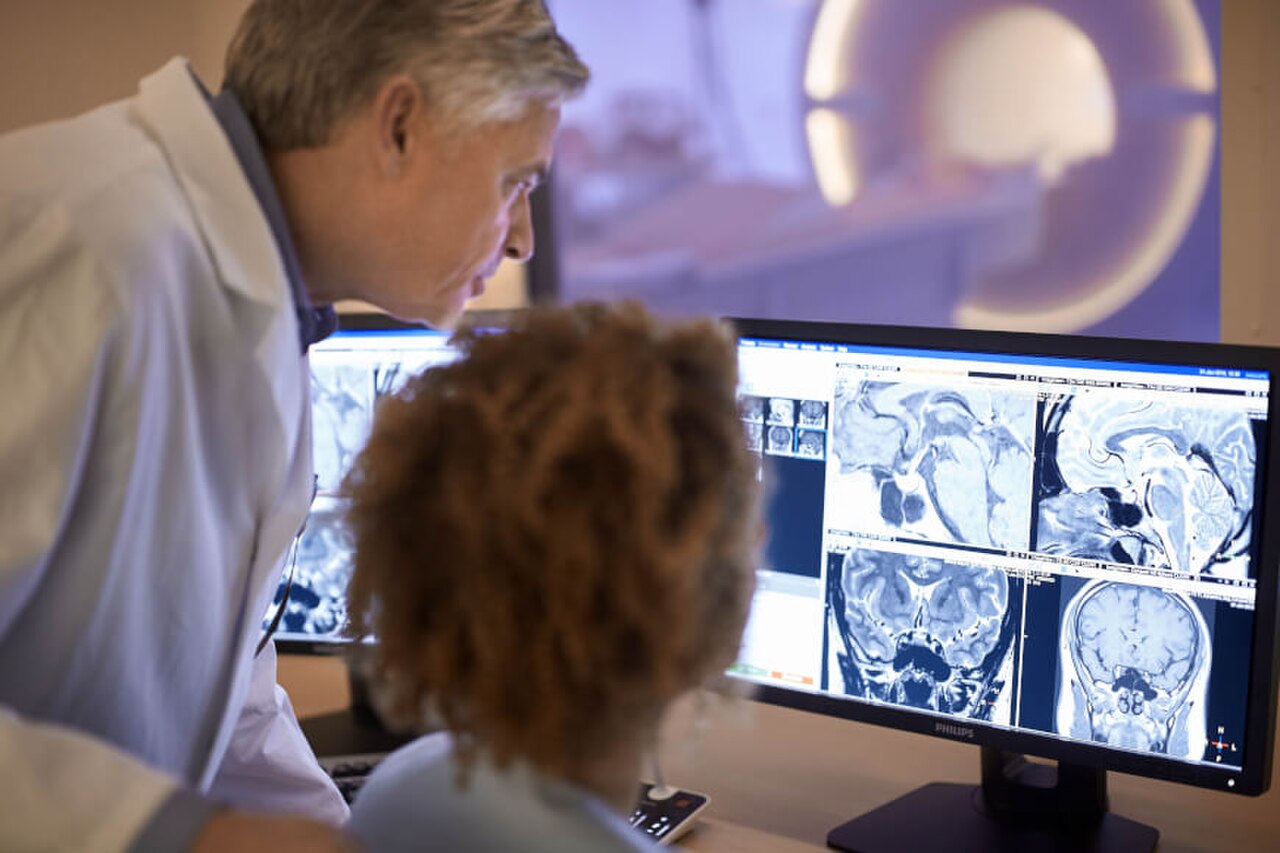
Magnetic resonance imaging (MRI) has become a powerful tool in medical imaging, enabling high-resolution imaging of internal structures. This technology uses strong magnetic fields and radio waves to produce detailed images of organs and tissues. The advantages of MRI include its high spatial resolution, lack of ionizing radiation, and ability to image soft tissues. Moreover, MRI has enabled the development of functional MRI, allowing for the assessment of brain function and activity. The integration of artificial intelligence in MRI has also improved diagnostic accuracy, enabling radiologists to detect abnormalities and diagnose diseases more effectively. For instance, AI-powered algorithms can help detect neurological disorders, such as Alzheimer's disease, from MRI images, improving early detection and treatment outcomes. Furthermore, the development of diffusion tensor imaging has improved image quality, enabling radiologists to visualize white matter tracts and neural connections.
📞 Computed Tomography (CT) and Fluoroscopy
Computed tomography (CT) and fluoroscopy have become essential components of medical imaging, enabling high-resolution imaging of internal structures. CT uses X-rays to produce detailed images of organs and tissues, while fluoroscopy uses X-rays to produce real-time images of internal structures. The advantages of CT and fluoroscopy include their high spatial resolution, ability to image bone and soft tissues, and lack of ionizing radiation. Moreover, CT and fluoroscopy have enabled the development of interventional radiology, allowing for minimally invasive procedures to be performed under imaging guidance. The integration of artificial intelligence in CT and fluoroscopy has also improved diagnostic accuracy, enabling radiologists to detect abnormalities and diagnose diseases more effectively. For example, AI-powered algorithms can help detect lung cancer from CT images, improving early detection and treatment outcomes. Additionally, the development of dual-energy CT has improved image quality, enabling radiologists to visualize iodine and calcium deposits.
🔍 Nuclear Medicine and Positron Emission Tomography (PET)
Nuclear medicine and positron emission tomography (PET) have become vital components of medical imaging, enabling functional imaging of the body. Nuclear medicine uses small amounts of radioactive tracers to diagnose and treat diseases, while PET uses positron-emitting isotopes to produce detailed images of internal structures. The advantages of nuclear medicine and PET include their ability to image metabolic activity, lack of ionizing radiation, and high sensitivity. Moreover, nuclear medicine and PET have enabled the development of cancer imaging, allowing for the diagnosis and treatment of various types of cancer. The integration of artificial intelligence in nuclear medicine and PET has also improved diagnostic accuracy, enabling radiologists to detect abnormalities and diagnose diseases more effectively. For instance, AI-powered algorithms can help detect neurodegenerative disorders, such as Parkinson's disease, from PET images, improving early detection and treatment outcomes. Furthermore, the development of hybrid imaging has improved image quality, enabling radiologists to visualize anatomical and functional information.
👨⚕️ Interventional Radiology
Interventional radiology has become a vital component of medical imaging, enabling minimally invasive procedures to be performed under imaging guidance. This technology uses various imaging modalities, such as ultrasonography, CT, and MRI, to guide procedures such as biopsies, drainages, and embolizations. The advantages of interventional radiology include its minimally invasive nature, reduced risk of complications, and improved patient outcomes. Moreover, interventional radiology has enabled the development of minimally invasive therapy, allowing for the treatment of various diseases and conditions. The integration of artificial intelligence in interventional radiology has also improved diagnostic accuracy, enabling radiologists to detect abnormalities and diagnose diseases more effectively. For example, AI-powered algorithms can help detect vascular diseases, such as aneurysms, from imaging data, improving early detection and treatment outcomes. Additionally, the development of robot-assisted radiology has improved procedure accuracy, enabling radiologists to perform complex procedures with greater precision.
💡 Future of Radiology
The future of radiology is exciting and rapidly evolving, with significant advancements in technology and imaging techniques. The development of artificial intelligence and machine learning is expected to improve diagnostic accuracy, streamline clinical workflows, and enhance patient care. Moreover, the integration of IoT and cloud computing is expected to expand access to radiology services, enabling patients to receive medical care remotely. The development of quantum imaging is also expected to improve image quality, enabling radiologists to visualize internal structures with greater precision. Furthermore, the development of personalized medicine is expected to enable tailored treatment plans, improving patient outcomes and quality of life. As a result, radiology is poised to play a vital role in the future of medicine, enabling early detection, diagnosis, and treatment of various diseases and conditions.
🤝 Radiology and Artificial Intelligence
The integration of artificial intelligence in radiology has improved diagnostic accuracy, streamlined clinical workflows, and enhanced patient care. AI-powered algorithms can help detect abnormalities and diagnose diseases more effectively, reducing the risk of human error. Moreover, AI can help automate routine tasks, such as image processing and analysis, enabling radiologists to focus on more complex and high-value tasks. The development of deep learning has also improved image quality, enabling radiologists to visualize internal structures with greater precision. Furthermore, the integration of NLP has enabled the development of clinical decision support systems, providing radiologists with valuable insights and recommendations for diagnosis and treatment. As a result, AI is expected to play a vital role in the future of radiology, enabling radiologists to provide high-quality patient care and improve health outcomes.
📊 Conclusion and Future Directions
In conclusion, radiology has undergone significant transformations over the years, with advancements in technology and imaging techniques. The development of digital radiography, ultrasonography, MRI, and CT has improved image quality, reduced radiation exposure, and expanded access to radiology services. The integration of artificial intelligence in radiology has also improved diagnostic accuracy, streamlined clinical workflows, and enhanced patient care. As a result, radiology is poised to play a vital role in the future of medicine, enabling early detection, diagnosis, and treatment of various diseases and conditions. The future of radiology is exciting and rapidly evolving, with significant advancements in technology and imaging techniques. The development of quantum imaging and personalized medicine is expected to improve image quality, enable tailored treatment plans, and improve patient outcomes and quality of life.
Key Facts
- Year
- 1895
- Origin
- Germany
- Category
- Medical Imaging
- Type
- Medical Specialty
Frequently Asked Questions
What is radiology?
Radiology is the medical specialty that uses medical imaging to diagnose diseases and guide treatment within the bodies of humans and other animals. It includes various imaging modalities, such as radiography, ultrasonography, MRI, and CT. The field of radiology has undergone significant transformations over the years, with advancements in technology and imaging techniques. For instance, the development of digital radiography has improved image quality and reduced radiation exposure. Moreover, the integration of artificial intelligence in radiology has enhanced diagnostic accuracy and streamlined clinical workflows.
What are the different types of medical imaging?
There are various types of medical imaging, including radiography, ultrasonography, MRI, CT, and nuclear medicine. Each modality has its own advantages and disadvantages, and is used to diagnose and treat various diseases and conditions. For example, ultrasonography is commonly used to image soft tissues, while CT is used to image bone and soft tissues. Moreover, MRI is used to image internal structures with high spatial resolution, while nuclear medicine is used to image metabolic activity.
What is the role of artificial intelligence in radiology?
Artificial intelligence (AI) is playing an increasingly important role in radiology, enabling radiologists to provide high-quality patient care and improve health outcomes. AI-powered algorithms can help detect abnormalities and diagnose diseases more effectively, reducing the risk of human error. Moreover, AI can help automate routine tasks, such as image processing and analysis, enabling radiologists to focus on more complex and high-value tasks. The development of deep learning has also improved image quality, enabling radiologists to visualize internal structures with greater precision. Furthermore, the integration of NLP has enabled the development of clinical decision support systems, providing radiologists with valuable insights and recommendations for diagnosis and treatment.
What is the future of radiology?
The future of radiology is exciting and rapidly evolving, with significant advancements in technology and imaging techniques. The development of artificial intelligence and machine learning is expected to improve diagnostic accuracy, streamline clinical workflows, and enhance patient care. Moreover, the integration of IoT and cloud computing is expected to expand access to radiology services, enabling patients to receive medical care remotely. The development of quantum imaging is also expected to improve image quality, enabling radiologists to visualize internal structures with greater precision. Furthermore, the development of personalized medicine is expected to enable tailored treatment plans, improving patient outcomes and quality of life.
What are the benefits of digital radiography?
Digital radiography has several benefits, including improved image quality, reduced radiation exposure, and increased efficiency. Digital radiography uses electronic detectors to capture X-ray images, which are then processed and stored digitally. This enables radiologists to visualize internal structures with greater precision, reducing the risk of human error. Moreover, digital radiography has enabled the development of picture archiving and communication systems, which allow for the storage and retrieval of medical images. The integration of artificial intelligence in digital radiography has also improved diagnostic accuracy, enabling radiologists to detect abnormalities and diagnose diseases more effectively.
What is interventional radiology?
Interventional radiology is a minimally invasive medical specialty that uses imaging guidance to perform various procedures, such as biopsies, drainages, and embolizations. Interventional radiology uses various imaging modalities, such as ultrasonography, CT, and MRI, to guide procedures and ensure accurate placement of instruments. The advantages of interventional radiology include its minimally invasive nature, reduced risk of complications, and improved patient outcomes. Moreover, interventional radiology has enabled the development of minimally invasive therapy, allowing for the treatment of various diseases and conditions.
What is the role of radiology in cancer diagnosis and treatment?
Radiology plays a vital role in cancer diagnosis and treatment, enabling early detection, diagnosis, and treatment of various types of cancer. Radiology uses various imaging modalities, such as MRI, CT, and nuclear medicine, to image internal structures and detect abnormalities. The integration of artificial intelligence in radiology has also improved diagnostic accuracy, enabling radiologists to detect cancer at an early stage. Moreover, radiology has enabled the development of cancer imaging, allowing for the diagnosis and treatment of various types of cancer. The development of hybrid imaging has also improved image quality, enabling radiologists to visualize anatomical and functional information.