
Contents
- 🔍 Introduction to Imposter Syndrome
- 💡 The History of Imposter Syndrome
- 📊 Prevalence and Demographics
- 🤝 The Role of Social Media
- 📚 Psychological Theories
- 👥 Imposter Syndrome in the Workplace
- 📈 Overcoming Imposter Syndrome
- 🌐 Cultural and Societal Factors
- 🤕 Mental Health Implications
- 📝 Treatment and Therapy
- 👀 Conclusion and Future Directions
- Frequently Asked Questions
- Related Topics
Overview
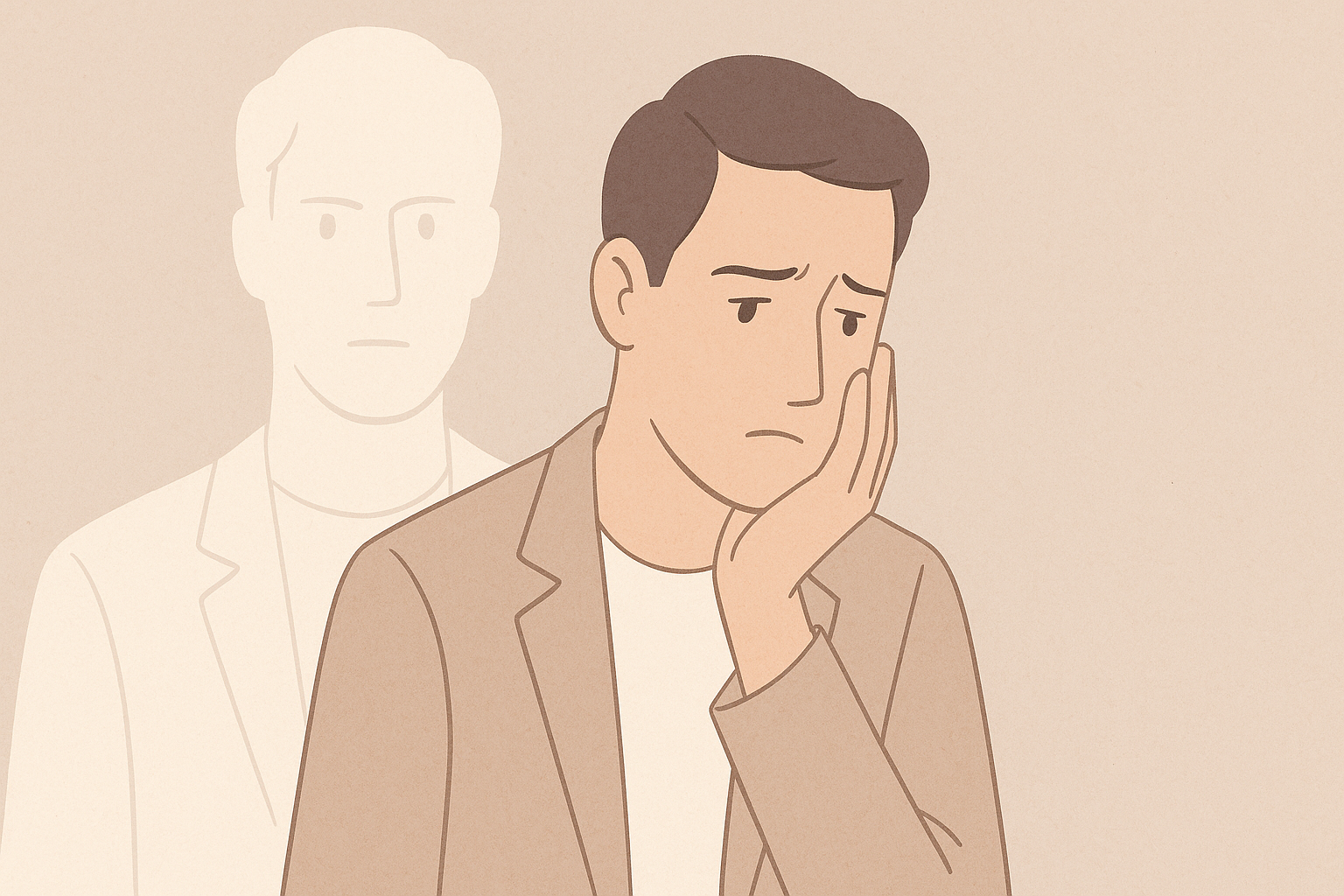
Imposter syndrome is a pervasive psychological pattern where individuals, often high achievers, doubt their accomplishments and fear being exposed as 'impostors'. First identified by psychologists Pauline Clance and Suzanne Imes in 1978, this phenomenon affects an estimated 70% of people, with women and minorities being disproportionately affected. The syndrome is characterized by feelings of inadequacy, self-doubt, and anxiety, despite external evidence of competence. Notable figures like Maya Angelou, Albert Einstein, and Michelle Obama have spoken publicly about their struggles with imposter syndrome. Researchers have linked imposter syndrome to factors such as perfectionism, social media, and cultural expectations. As the conversation around mental health continues to grow, understanding imposter syndrome is crucial for developing strategies to mitigate its effects and promote self-acceptance.
🔍 Introduction to Imposter Syndrome
Imposter syndrome is a psychological phenomenon where individuals doubt their accomplishments and fear being exposed as a fraud. This concept was first introduced by psychologists Pauline Clance and Suzanne Imes in 1978. According to their research, imposter syndrome is more common among high-achieving individuals, particularly women. The Imposter Syndrome Test is a widely used tool to assess the severity of imposter feelings. Despite its prevalence, imposter syndrome remains a relatively unknown concept, and many people suffer in silence. The mental health implications of imposter syndrome are significant, and it is essential to address this issue to promote overall well-being.
💡 The History of Imposter Syndrome
The history of imposter syndrome dates back to the 1970s, when Clance and Imes conducted their pioneering research. Their study revealed that many successful women felt like imposters, despite their achievements. Since then, numerous studies have been conducted to explore the concept of imposter syndrome. The history of psychology is filled with examples of researchers who have contributed to our understanding of imposter syndrome. For instance, the work of Albert Bandura on self-efficacy has been influential in shaping our understanding of imposter syndrome. The psychology of self-doubt is complex, and imposter syndrome is just one aspect of it.
📊 Prevalence and Demographics
Research suggests that imposter syndrome affects approximately 70% of the population at some point in their lives. The demographics of imposter syndrome are interesting, with women and minorities being more likely to experience imposter feelings. The sociology of imposter syndrome is also worth exploring, as it highlights the role of societal expectations and cultural norms in shaping our perceptions of ourselves. The Imposter Syndrome Statistics are alarming, and it is essential to address this issue to promote diversity and inclusion. The diversity and inclusion initiatives can help mitigate the effects of imposter syndrome.
📚 Psychological Theories
Several psychological theories have been proposed to explain imposter syndrome. The self-efficacy theory suggests that imposter syndrome is related to an individual's perceived ability to perform tasks. The locus of control theory proposes that imposter syndrome is linked to an individual's perception of control over their environment. The attribution theory suggests that imposter syndrome is related to an individual's tendency to attribute their successes to external factors. The cognitive-behavioral therapy approach can help individuals address negative thought patterns and behaviors associated with imposter syndrome. The therapy for imposter syndrome is essential in promoting mental health and well-being.
👥 Imposter Syndrome in the Workplace
Imposter syndrome is common in the workplace, particularly among high-achieving individuals. The workplace imposter syndrome can have significant consequences, including decreased productivity and job satisfaction. The leadership and imposter syndrome connection is interesting, with many leaders experiencing imposter feelings. The management of imposter syndrome requires a supportive work environment and open communication. The organizational behavior can play a significant role in promoting or mitigating imposter syndrome. The human resources department can provide resources and support for employees struggling with imposter syndrome.
📈 Overcoming Imposter Syndrome
Overcoming imposter syndrome requires a combination of self-awareness, self-compassion, and strategic action. The overcoming imposter syndrome journey is unique to each individual, and it requires a willingness to confront and challenge negative thought patterns. The self-care practices, such as mindfulness and meditation, can help individuals develop a more positive self-image. The mindfulness and imposter syndrome connection is fascinating, with mindfulness practices promoting greater self-awareness and self-acceptance. The resilience skills are essential in navigating the challenges of imposter syndrome. The growth mindset approach can help individuals develop a more positive and adaptive mindset.
🌐 Cultural and Societal Factors
Cultural and societal factors play a significant role in shaping our perceptions of ourselves and our abilities. The cultural factors and imposter syndrome connection is complex, with different cultures placing varying emphasis on individual achievement and success. The societal expectations can create pressure to conform to certain standards, leading to feelings of inadequacy and imposter syndrome. The gender and imposter syndrome connection is interesting, with women being more likely to experience imposter feelings. The feminism and imposter syndrome connection highlights the need for greater equality and representation in the workplace. The social justice movement can help promote greater awareness and understanding of imposter syndrome.
🤕 Mental Health Implications
Imposter syndrome can have significant mental health implications, including anxiety, depression, and burnout. The mental health implications of imposter syndrome are alarming, and it is essential to address this issue to promote overall well-being. The anxiety and imposter syndrome connection is complex, with imposter feelings exacerbating anxiety symptoms. The depression and imposter syndrome connection is also significant, with imposter syndrome increasing the risk of depression. The burnout and imposter syndrome connection highlights the need for self-care and stress management. The self-care practices can help individuals develop a more positive and resilient mindset.
📝 Treatment and Therapy
Treatment and therapy can be effective in addressing imposter syndrome. The therapy for imposter syndrome approach typically involves cognitive-behavioral therapy and mindfulness practices. The cognitive-behavioral therapy for imposter syndrome approach helps individuals identify and challenge negative thought patterns. The mindfulness-based therapy for imposter syndrome approach promotes greater self-awareness and self-acceptance. The support groups for imposter syndrome can provide a sense of community and connection for individuals struggling with imposter syndrome. The online therapy for imposter syndrome can provide convenient and accessible support.
👀 Conclusion and Future Directions
In conclusion, imposter syndrome is a complex and multifaceted phenomenon that affects many individuals. The future of imposter syndrome research is exciting, with many new studies and initiatives being launched to address this issue. The imposter syndrome and mental health connection is significant, and it is essential to promote greater awareness and understanding of imposter syndrome. The imposter syndrome and societal change connection highlights the need for greater equality and representation in the workplace. The imposter syndrome and personal growth connection is fascinating, with imposter syndrome providing an opportunity for individuals to develop greater self-awareness and self-acceptance.
Key Facts
- Year
- 1978
- Origin
- Pauline Clance and Suzanne Imes
- Category
- Psychology
- Type
- Psychological Concept
- Format
- what-is
Frequently Asked Questions
What is imposter syndrome?
Imposter syndrome is a psychological phenomenon where individuals doubt their accomplishments and fear being exposed as a fraud. It is characterized by feelings of inadequacy, self-doubt, and anxiety. The imposter syndrome definition is complex, and it can manifest differently in different individuals. The imposter syndrome symptoms include feelings of inadequacy, self-doubt, and anxiety. The imposter syndrome causes are multifaceted, and they can include societal expectations, cultural norms, and personal experiences.
How common is imposter syndrome?
Imposter syndrome is more common than you might think. Research suggests that approximately 70% of the population experiences imposter feelings at some point in their lives. The imposter syndrome statistics are alarming, and it is essential to address this issue to promote diversity and inclusion. The demographics of imposter syndrome are interesting, with women and minorities being more likely to experience imposter feelings.
What are the consequences of imposter syndrome?
The consequences of imposter syndrome can be significant, including decreased productivity, job satisfaction, and mental health. The mental health implications of imposter syndrome are alarming, and it is essential to address this issue to promote overall well-being. The anxiety and imposter syndrome connection is complex, with imposter feelings exacerbating anxiety symptoms. The depression and imposter syndrome connection is also significant, with imposter syndrome increasing the risk of depression.
How can I overcome imposter syndrome?
Overcoming imposter syndrome requires a combination of self-awareness, self-compassion, and strategic action. The overcoming imposter syndrome journey is unique to each individual, and it requires a willingness to confront and challenge negative thought patterns. The self-care practices, such as mindfulness and meditation, can help individuals develop a more positive self-image. The mindfulness and imposter syndrome connection is fascinating, with mindfulness practices promoting greater self-awareness and self-acceptance.
What is the role of therapy in addressing imposter syndrome?
Therapy can be an effective way to address imposter syndrome. The therapy for imposter syndrome approach typically involves cognitive-behavioral therapy and mindfulness practices. The cognitive-behavioral therapy for imposter syndrome approach helps individuals identify and challenge negative thought patterns. The mindfulness-based therapy for imposter syndrome approach promotes greater self-awareness and self-acceptance.
How can I support someone who is struggling with imposter syndrome?
Supporting someone who is struggling with imposter syndrome requires empathy, understanding, and patience. The supporting someone with imposter syndrome approach involves creating a safe and non-judgmental space for the individual to share their feelings and concerns. The active listening skills are essential in providing support and guidance. The validation of the individual's feelings and experiences is also crucial in promoting a sense of safety and trust.
What is the connection between imposter syndrome and mental health?
The connection between imposter syndrome and mental health is significant. The mental health implications of imposter syndrome are alarming, and it is essential to address this issue to promote overall well-being. The anxiety and imposter syndrome connection is complex, with imposter feelings exacerbating anxiety symptoms. The depression and imposter syndrome connection is also significant, with imposter syndrome increasing the risk of depression.