
Contents
- 🌎 Introduction to Disease Prevention
- 🧬 Genetic Predisposition and Disease Prevention
- 🏥 Primary Prevention: The First Line of Defense
- 🔍 Secondary Prevention: Early Detection and Intervention
- 👥 Tertiary Prevention: Managing Chronic Conditions
- 💉 Vaccination: A Crucial Aspect of Disease Prevention
- 🦷 Dental Care and Disease Prevention
- 📊 The Economics of Disease Prevention
- 🌈 Lifestyle Choices and Disease Prevention
- 🤝 Education and Counseling in Disease Prevention
- 📊 Measuring the Effectiveness of Disease Prevention
- 🔮 The Future of Disease Prevention
- Frequently Asked Questions
- Related Topics
Overview
Disease prevention is a complex and multifaceted field that has been shaped by centuries of scientific inquiry and public health initiatives. From the discovery of the germ theory of disease by Louis Pasteur in 1861 to the current-day applications of genomics and precision medicine, the understanding of disease prevention has evolved significantly. The World Health Organization (WHO) estimates that up to 80% of heart disease, stroke, and type 2 diabetes cases, as well as 30% of all cancer cases, can be prevented through modifications to lifestyle and environment. However, the implementation of effective disease prevention strategies is often hindered by socioeconomic disparities, lack of access to healthcare, and conflicting interests. The COVID-19 pandemic has further highlighted the need for robust disease prevention measures, with the global response being influenced by entities such as the Centers for Disease Control and Prevention (CDC) and the Bill and Melinda Gates Foundation. As the field continues to evolve, it is likely that disease prevention will become increasingly personalized and data-driven, with a growing emphasis on the role of artificial intelligence and machine learning in predicting and preventing disease outbreaks.
🌎 Introduction to Disease Prevention
Disease prevention is a multifaceted approach that involves various strategies to prevent the onset of diseases. According to the Disease Prevention concept, it relies on anticipatory actions that can be categorized as primal, primary, secondary, and tertiary prevention. Preventive healthcare measures can help reduce the risk of diseases, and health education plays a crucial role in promoting healthy lifestyle choices. The World Health Organization emphasizes the importance of disease prevention in reducing the global burden of diseases. As noted by Dr. Anthony Fauci, preventive care can significantly reduce healthcare costs and improve health outcomes.
🧬 Genetic Predisposition and Disease Prevention
Genetic predisposition is a significant factor in disease prevention. Individuals with a family history of certain diseases are more likely to develop them. Genetic counseling can help individuals understand their genetic risks and take preventive measures. For instance, BRCA1 and BRCA2 gene mutations increase the risk of breast and ovarian cancer. Genetic testing can identify these mutations, and preventive measures such as mastectomies can be taken. The National Cancer Institute provides resources on genetic testing and counseling.
🏥 Primary Prevention: The First Line of Defense
Primary prevention is the first line of defense against diseases. It involves measures such as vaccination and screening tests to prevent diseases before they occur. Health screening can detect diseases early, and lifestyle modification can help prevent the onset of diseases. For example, blood pressure screening can detect hypertension, and dietary changes can help prevent cardiovascular disease. The American Heart Association recommends regular blood pressure screening.
🔍 Secondary Prevention: Early Detection and Intervention
Secondary prevention involves early detection and intervention to prevent the progression of diseases. Disease screening tests such as mammograms and colonoscopies can detect diseases early, and early intervention can improve treatment outcomes. Cancer screening is a crucial aspect of secondary prevention, and cancer treatment can be more effective when detected early. The Centers for Disease Control and Prevention provides guidelines on cancer screening.
👥 Tertiary Prevention: Managing Chronic Conditions
Tertiary prevention involves managing chronic conditions to prevent further complications. Chronic disease management requires a comprehensive approach that includes medication adherence, lifestyle modification, and regular monitoring. Diabetes management is a prime example of tertiary prevention, and diabetes education can help individuals manage their condition effectively. The American Diabetes Association provides resources on diabetes management.
💉 Vaccination: A Crucial Aspect of Disease Prevention
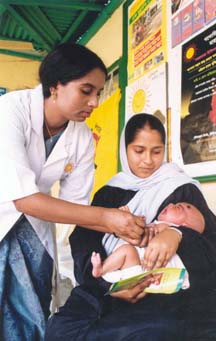
Vaccination is a crucial aspect of disease prevention. Vaccine development has led to significant reductions in infectious diseases such as measles and polio. Vaccine distribution is critical to ensuring that vaccines reach those who need them most. The World Health Organization plays a vital role in vaccine distribution and immunization efforts. As noted by Dr. Robert Redfield, vaccination is one of the most effective ways to prevent infectious diseases.
🦷 Dental Care and Disease Prevention
Dental care is an essential aspect of disease prevention. Dental cleanings and dental exams can help prevent oral diseases such as tooth decay and gum disease. Oral health education can promote good oral hygiene practices, and fluoride treatment can help prevent tooth decay. The American Dental Association recommends regular dental cleanings and exams.
📊 The Economics of Disease Prevention
The economics of disease prevention is a critical aspect of healthcare. Preventive care can reduce healthcare costs in the long run by preventing diseases and reducing the need for costly treatments. Cost-effectiveness analysis can help determine the most effective preventive measures. The National Institutes of Health provides funding for research on disease prevention and health economics. As noted by Dr. Francis Collins, preventive care can save billions of dollars in healthcare costs.
🌈 Lifestyle Choices and Disease Prevention
Lifestyle choices play a significant role in disease prevention. Healthy diet and regular exercise can help prevent chronic diseases such as heart disease and diabetes. Stress management and sleep hygiene are also essential for overall health and well-being. The Academy of Nutrition and Dietetics provides resources on healthy eating and nutrition education.
🤝 Education and Counseling in Disease Prevention
Education and counseling are critical components of disease prevention. Health education can promote healthy lifestyle choices, and counseling can help individuals manage chronic conditions. Patient education is essential for empowering individuals to take control of their health. The American Public Health Association emphasizes the importance of health education and health promotion.
📊 Measuring the Effectiveness of Disease Prevention
Measuring the effectiveness of disease prevention is crucial for evaluating the impact of preventive measures. Disease surveillance and health outcomes can help determine the effectiveness of preventive measures. Cost-benefit analysis can help determine the cost-effectiveness of preventive measures. The Centers for Disease Control and Prevention provides resources on disease surveillance and health statistics.
🔮 The Future of Disease Prevention
The future of disease prevention is promising, with advances in genomics and precision medicine. Personalized medicine can help tailor preventive measures to individual needs. Artificial intelligence can help analyze large datasets and identify patterns in disease prevention. The National Institutes of Health is investing in research on genomics and precision medicine.
Key Facts
- Year
- 2022
- Origin
- Ancient civilizations, with significant advancements in the 19th and 20th centuries
- Category
- Health and Medicine
- Type
- Concept
Frequently Asked Questions
What is disease prevention?
Disease prevention is the application of healthcare measures to prevent diseases. It involves various strategies such as primal, primary, secondary, and tertiary prevention. Disease prevention can help reduce the risk of diseases and improve health outcomes. According to the Disease Prevention concept, it relies on anticipatory actions that can be categorized as primal, primary, secondary, and tertiary prevention. The World Health Organization emphasizes the importance of disease prevention in reducing the global burden of diseases.
What is primary prevention?
Primary prevention is the first line of defense against diseases. It involves measures such as vaccination and screening tests to prevent diseases before they occur. Primary prevention can help detect diseases early, and early intervention can improve treatment outcomes. The American Heart Association recommends regular blood pressure screening as part of primary prevention. Health screening can detect diseases early, and lifestyle modification can help prevent the onset of diseases.
What is the role of vaccination in disease prevention?
Vaccination is a crucial aspect of disease prevention. Vaccine development has led to significant reductions in infectious diseases such as measles and polio. Vaccination can help prevent the spread of diseases and reduce the risk of complications. The World Health Organization plays a vital role in vaccine distribution and immunization efforts. As noted by Dr. Robert Redfield, vaccination is one of the most effective ways to prevent infectious diseases. Vaccine development has led to significant reductions in infectious diseases.
How can lifestyle choices impact disease prevention?
Lifestyle choices play a significant role in disease prevention. A healthy diet and regular exercise can help prevent chronic diseases such as heart disease and diabetes. Stress management and sleep hygiene are also essential for overall health and well-being. The Academy of Nutrition and Dietetics provides resources on healthy eating and nutrition education. Healthy diet and regular exercise can help prevent chronic diseases such as heart disease and diabetes.
What is the importance of education and counseling in disease prevention?
Education and counseling are critical components of disease prevention. Health education can promote healthy lifestyle choices, and counseling can help individuals manage chronic conditions. Patient education is essential for empowering individuals to take control of their health. The American Public Health Association emphasizes the importance of health education and health promotion. Health education can promote healthy lifestyle choices, and counseling can help individuals manage chronic conditions.
How can disease prevention be measured?
Measuring the effectiveness of disease prevention is crucial for evaluating the impact of preventive measures. Disease surveillance and health outcomes can help determine the effectiveness of preventive measures. Cost-benefit analysis can help determine the cost-effectiveness of preventive measures. The Centers for Disease Control and Prevention provides resources on disease surveillance and health statistics. Disease surveillance and health outcomes can help determine the effectiveness of preventive measures.
What is the future of disease prevention?
The future of disease prevention is promising, with advances in genomics and precision medicine. Personalized medicine can help tailor preventive measures to individual needs. Artificial intelligence can help analyze large datasets and identify patterns in disease prevention. The National Institutes of Health is investing in research on genomics and precision medicine. Genomics and precision medicine can help tailor preventive measures to individual needs.