
Contents
- 🎯 Learning Objectives: Mastering the Art of Fringes
- 📖 Understanding the Basics: What Exactly Are Fringes?
- ✨ The Evolution of Fringes: From Ancient Styles to Modern Trends
- ✂️ Types of Fringes: A Comprehensive Guide for Professionals
- 💡 The Consultation is Key: Understanding Client Needs and Face Shapes
- 🛠️ Cutting Techniques: Precision and Artistry in Fringe Creation
- 💨 Styling Fringes: Achieving Versatility and Longevity
- ⚠️ Common Fringe Mistakes and How to Avoid Them
- 📈 Fringes in the Modern Salon: Client Demand and Profitability
- 🌟 Celebrity Influence and Social Media's Role in Fringe Popularity
- 🌱 The Future of Fringes: What's Next for This Timeless Style?
- ✅ Key Takeaways: Your Fringe Mastery Checklist
- Frequently Asked Questions
- Related Topics
Overview
Fringes, or bangs, are a dynamic element in hairstyling, offering a powerful way to transform a look. From classic blunt cuts to wispy, textured styles, fringes can dramatically alter facial features and frame the face. Understanding different fringe types, their suitability for various face shapes and hair textures, and the techniques for cutting and styling them is crucial for any cosmetologist aiming to stay current with trends. Mastering fringes allows for creative expression and personalized client services, impacting everything from everyday wear to high-fashion editorial work.
🎯 Learning Objectives: Mastering the Art of Fringes
Welcome to our deep dive into the world of fringe hairstyles! By the end of this lesson, you'll be equipped to confidently consult, cut, and style a variety of fringe types, understand their historical significance, and recognize their impact on current hairdressing trends. We'll cover everything from the classic blunt fringe to the more avant-garde, ensuring you're prepared to meet diverse client demands and elevate your cosmetology services. Get ready to transform your approach to this essential element of hairstyling.
📖 Understanding the Basics: What Exactly Are Fringes?
At its heart, a fringe, often called bangs in North America, is a section of hair cut to fall across the forehead. It's more than just a haircut; it's a framing device that can dramatically alter a person's appearance. Understanding the basic anatomy of a fringe—its length, density, and how it blends into the rest of the haircut—is the foundational step for any aspiring or seasoned hair stylist. This seemingly simple cut requires precision and an understanding of how hair behaves.
✨ The Evolution of Fringes: From Ancient Styles to Modern Trends
The history of fringes is as old as hairstyling itself. Ancient Egyptians and Romans adorned their hair with fringes, often signifying status or style. Throughout the centuries, fringes have waxed and waned in popularity, from the severe, straight-cut fringes of the 1920s flappers to the softer, wispy styles of the 1970s. Each era brought its own interpretation, reflecting the broader cultural movements and aesthetic ideals of the time, making fringes a fascinating barometer of fashion history.
✂️ Types of Fringes: A Comprehensive Guide for Professionals
The variety of fringe types is extensive, each offering a unique aesthetic. We have the blunt bangs, offering a bold statement; the curtain bangs, known for its soft, face-framing appeal; the side-swept bangs, a universally flattering option; and the wispy bangs, providing a lighter, more delicate look. Understanding the characteristics and suitability of each type is crucial for making informed recommendations to your clients.
💡 The Consultation is Key: Understanding Client Needs and Face Shapes
The most critical phase in creating a successful fringe is the hair consultation. This isn't just about asking what they want; it's about assessing their face shape analysis, hair texture, growth patterns, and lifestyle. A fringe that looks stunning on a model might not be practical or flattering for every client. Active listening and expert guidance are paramount to ensuring client satisfaction and preventing common haircut mistakes.
🛠️ Cutting Techniques: Precision and Artistry in Fringe Creation
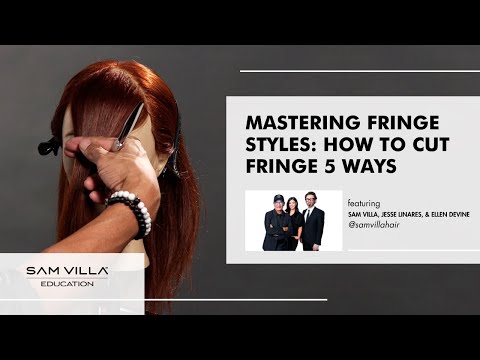
Precision is paramount when cutting fringes. Techniques vary depending on the desired outcome. For a sharp, blunt fringe, a straight cutting technique with sharp shears is essential. For softer, blended fringes, techniques like point cutting or slide cutting are employed to create texture and reduce bulk. Understanding the client's hair growth direction is also vital to prevent the fringe from falling awkwardly or splitting.
💨 Styling Fringes: Achieving Versatility and Longevity
Styling a fringe is as important as cutting it. A perfectly cut fringe can be ruined by improper styling. For blunt fringes, a hair dryer and a round brush can create a smooth, polished look. Curtain fringes often benefit from a diffuser or simply air-drying with a bit of product to encourage natural movement. Learning to manage cowlicks and ensure the fringe sits correctly requires practice and knowledge of various hair styling products.
⚠️ Common Fringe Mistakes and How to Avoid Them
Common pitfalls include cutting the fringe too short, creating an uneven line, or failing to account for the hair's natural fall. Another frequent mistake is not considering the client's hair density—a thick fringe on fine hair can look overwhelming, while a sparse fringe on coarse hair might not provide the desired impact. Always err on the side of caution, cutting gradually and checking the length frequently during the process.
📈 Fringes in the Modern Salon: Client Demand and Profitability
Fringes are a significant driver of salon visits and can boost salon profitability. Many clients seek out fringe trims between full haircuts, creating opportunities for repeat business and add-on services. Educating clients on the maintenance required for their specific fringe type can also encourage more frequent salon visits, solidifying the fringe's role as a valuable salon service.
🌱 The Future of Fringes: What's Next for This Timeless Style?
The future of fringes likely involves even greater personalization and integration with advanced hair technology. We might see fringes designed to adapt to different styles with minimal effort, or perhaps even digital styling tools that help visualize fringe placement before cutting. Expect a continued emphasis on natural texture and low-maintenance styles, alongside the enduring appeal of bold, statement fringes.
✅ Key Takeaways: Your Fringe Mastery Checklist
Mastering fringes involves understanding their history and types, excelling in client consultations, employing precise cutting techniques, and knowing how to style them effectively. Remember that fringes are a powerful tool for transformation, requiring both technical skill and artistic vision. Continuous learning and adaptation to new trends will ensure you remain at the forefront of this enduring hairdressing technique.
Key Facts
- Year
- 2024
- Origin
- Cosmetologist.org
- Category
- Industry Trends
- Type
- Cosmetology Technique
Frequently Asked Questions
What is the difference between bangs and fringes?
In cosmetology, 'fringe' and 'bangs' are largely interchangeable terms referring to a section of hair cut to fall across the forehead. 'Fringe' is more commonly used in the UK and Australia, while 'bangs' is the prevalent term in North America. Both describe the same stylistic element, and understanding both terms is beneficial for global communication within the industry.
How do I determine the best fringe for a client's face shape?
The key is to balance features. For round faces, longer, side-swept fringes can add length. Oval faces are versatile and can carry most fringe types. Square faces can be softened by wispy or curtain fringes that break up the jawline. Heart-shaped faces often benefit from fuller fringes that add width to the lower part of the face. Always consider the client's forehead size and hairline too.
What are the best cutting shears for fringes?
For clean, blunt fringes, sharp, straight-edge shears are essential. Brands like Mizutani shears or Hattori Hanzo shears are highly regarded for their precision and durability. For softer, textured fringes, point cutting or slide cutting can be done with the same shears, or specialized texturizing shears can be used, though they require a different technique.
How often do clients need fringe trims?
Fringes typically grow quickly and require more frequent trims than the rest of the hair, often every 3-6 weeks, depending on the client's hair growth rate and the desired fringe length. This makes fringe trims a great opportunity for repeat salon business and for stylists to check in with their clients.
Can I cut a fringe on very curly hair?
Absolutely! Cutting fringes on curly hair requires a different approach. It's crucial to cut the fringe while the hair is dry and in its natural state, as curls can retract significantly when wet. Techniques like razor cutting or carefully point cutting can help create shape without making the fringe too short. Always consult with the client about their styling routine.
What's the difference between a blunt fringe and a wispy fringe?
A blunt fringe is cut straight across, creating a solid, defined line that makes a strong statement. It's often thicker and more impactful. A wispy fringe, on the other hand, is cut with lighter, more textured ends, often using point cutting or slide cutting. This results in a softer, more delicate look that allows some of the forehead to show through, offering a less severe appearance.