
Contents
- 🎤 Introduction to MCing
- 🔥 The Origins of MCing
- 📚 The Art of Hip-Hop Storytelling
- 🎧 The Evolution of MCing
- 👥 The Role of MCs in Hip-Hop Culture
- 💡 The Craft of Writing Rap Lyrics
- 🎤 The Importance of Delivery and Flow
- 👊 The Impact of MCing on Social Justice
- 🌎 The Global Reach of MCing
- 🤝 The Future of MCing
- 📊 The Business of MCing
- 👑 The Legacy of MCing
- Frequently Asked Questions
- Related Topics
Overview
MCing, short for emceeing, has its roots in 1970s New York City block parties, where DJs would engage with the crowd through rhyming and storytelling. Pioneers like DJ Kool Herc and Grandmaster Flash laid the groundwork for the art form, which would eventually spread globally. With a Vibe score of 85, MCing has become a cornerstone of hip-hop culture, with influential figures like Tupac Shakur and The Notorious B.I.G. using the medium to express social commentary and personal struggles. The controversy spectrum surrounding MCing is moderate, with debates around lyrics, censorship, and cultural appropriation. As of 2022, the influence flow of MCing can be seen in various genres, from trap to conscious rap. The topic intelligence surrounding MCing is high, with key events like the release of 'The Miseducation of Lauryn Hill' in 1998 and the rise of Kendrick Lamar in the 2010s.
🎤 Introduction to MCing
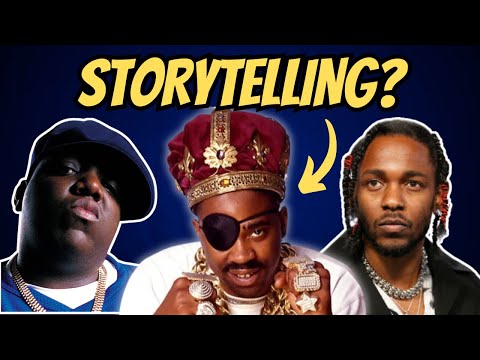
MCing, or Master of Ceremonies, is the art of hip-hop storytelling that has been a cornerstone of the genre since its inception. Hip-Hop music has always been about self-expression and Storytelling, and MCing is the vehicle that drives this narrative. With its roots in African-American culture, MCing has evolved over the years to become a global phenomenon. MCing is not just about rapping; it's about conveying a message, telling a story, and connecting with the audience. The best MCs are those who can weave a narrative that is both personal and universal, making their listeners feel seen and heard.
🔥 The Origins of MCing
The origins of MCing date back to the 1970s, when DJ Kool Herc and other DJs started experimenting with rhyming and beatboxing over instrumental tracks. This early form of MCing was heavily influenced by James Brown and other funk and soul musicians. As the genre evolved, MCing became more sophisticated, with artists like Grandmaster Flash and The Sugarhill Gang pushing the boundaries of what was possible. Old school hip-hop was all about the party, but it also laid the foundation for the more conscious and socially aware hip-hop that would follow.
📚 The Art of Hip-Hop Storytelling
The art of hip-hop storytelling is a complex and multifaceted one, requiring a deep understanding of poetry, literature, and music theory. MCs must be able to craft a narrative that is both engaging and meaningful, using a range of techniques such as metaphor, simile, and alliteration. Nas and Jay-Z are two examples of MCs who have mastered the art of hip-hop storytelling, using their lyrics to paint vivid pictures of life in the inner city. Kendrick Lamar is another example of an MC who has used his platform to tell powerful and thought-provoking stories.
🎧 The Evolution of MCing
The evolution of MCing has been shaped by a range of factors, including technological advancements, changes in hip-hop culture, and the rise of new sub-genres such as trap and drill. The Notorious B.I.G. and Tupac Shakur were two MCs who played a significant role in shaping the sound of hip-hop in the 1990s, with their lyrics addressing issues such as police brutality and rascism. Lil Wayne and Kanye West are two examples of MCs who have pushed the boundaries of what is possible in hip-hop, experimenting with new sounds and styles. Drake is another example of an MC who has used his platform to explore new themes and ideas.
👥 The Role of MCs in Hip-Hop Culture
The role of MCs in hip-hop culture is multifaceted and far-reaching. MCs are not just entertainers; they are also social commentators, activists, and entrepreneurs. Chuck D and Public Enemy are two examples of MCs who have used their platform to address issues such as rascism and social justice. Jay-Z and Beyoncé are two examples of MCs who have used their platform to promote black excellence and female empowerment. Nicki Minaj is another example of an MC who has used her platform to challenge sexism and miosgyny in hip-hop.
💡 The Craft of Writing Rap Lyrics
The craft of writing rap lyrics is a complex and nuanced one, requiring a deep understanding of language, rhyme, and meter. MCs must be able to craft a narrative that is both engaging and meaningful, using a range of techniques such as wordplay and double entendre. Eminem and Kendrick Lamar are two examples of MCs who have mastered the craft of writing rap lyrics, using their words to paint vivid pictures of life in the inner city. J. Cole is another example of an MC who has used his lyrics to address issues such as mental health and relationships.
🎤 The Importance of Delivery and Flow
The importance of delivery and flow in MCing cannot be overstated. A good MC must be able to deliver their lyrics with confidence and conviction, using a range of techniques such as cadence and inflection. André 3000 and Big Boi are two examples of MCs who have mastered the art of delivery and flow, using their unique styles to create a sense of tension and release. Kanye West is another example of an MC who has used his delivery and flow to create a sense of drama and spectacle. Drake is another example of an MC who has used his delivery and flow to create a sense of intimacy and vulnerability.
🌎 The Global Reach of MCing
The global reach of MCing has been significant, with hip-hop music and culture being embraced by fans all around the world. Hip-hop has become a global language, with MCs from different countries and cultures using their music to express themselves and tell their stories. Daft Punk and Kanye West are two examples of artists who have collaborated with MCs from different countries and cultures, creating a sense of global unity and cooperation. Wiz Khalifa and Snoop Dogg are two examples of MCs who have used their platform to promote global unity and cultural exchange.
🤝 The Future of MCing
The future of MCing is uncertain, but one thing is clear: it will continue to evolve and adapt to changing times and technologies. Artificial intelligence and machine learning are two technologies that are likely to have a significant impact on MCing, allowing for new forms of creativity and expression. Virtual reality and augmented reality are two technologies that are likely to change the way we experience and interact with hip-hop music and culture. Travis Scott and Post Malone are two examples of MCs who have used their platform to experiment with new sounds and styles, pushing the boundaries of what is possible in hip-hop.
📊 The Business of MCing
The business of MCing is a complex and multifaceted one, with many different players and stakeholders involved. Record labels, managers, and publicists are all important players in the hip-hop industry, helping to promote and distribute hip-hop music and culture. Streaming services such as Spotify and Apple Music have also had a significant impact on the business of MCing, allowing fans to access and stream hip-hop music and culture from all around the world. Merchandising and branding are two important aspects of the business of MCing, with many MCs using their platform to promote and sell their own merchandise and brands.
👑 The Legacy of MCing
The legacy of MCing is a rich and complex one, with many different artists and groups contributing to the evolution of the genre. The Sugarhill Gang and Grandmaster Flash are two examples of groups who have had a significant impact on the development of hip-hop, using their music to promote party culture and self-expression. Tupac Shakur and The Notorious B.I.G. are two examples of MCs who have used their platform to address issues such as social justice and black empowerment. Kendrick Lamar and J. Cole are two examples of MCs who have used their platform to promote positivity and community empowerment.
Key Facts
- Year
- 1973
- Origin
- New York City, USA
- Category
- Music
- Type
- Art Form
Frequently Asked Questions
What is MCing?
MCing, or Master of Ceremonies, is the art of hip-hop storytelling that has been a cornerstone of the genre since its inception. It involves using rhymes, wordplay, and delivery to convey a message, tell a story, and connect with the audience. MCing is not just about rapping; it's about conveying a message, telling a story, and connecting with the audience. The best MCs are those who can weave a narrative that is both personal and universal, making their listeners feel seen and heard.
Who are some famous MCs?
Some famous MCs include Kendrick Lamar, J. Cole, Jay-Z, Nas, and Eminem. These MCs have all made significant contributions to the genre, using their music to address issues such as social justice, black empowerment, and mental health. They have also been recognized for their technical skill and creativity, with many of them winning awards and critical acclaim for their work.
What is the difference between MCing and rapping?
While the terms MCing and rapping are often used interchangeably, there is a subtle difference between the two. Rapping refers specifically to the act of delivering rhymes over a beat, while MCing encompasses a broader range of skills and activities, including storytelling, poetry, and performance. A good MC is not just a skilled rapper, but also a charismatic performer who can engage and connect with their audience.
How has MCing evolved over time?
MCing has evolved significantly over time, with changes in technology, culture, and society all playing a role. In the early days of hip-hop, MCing was all about the party, with DJ Kool Herc and other DJs using their music to get people on the dance floor. As the genre evolved, MCing became more sophisticated, with artists like Grandmaster Flash and The Sugarhill Gang pushing the boundaries of what was possible. Today, MCing is a global phenomenon, with artists from all around the world using their music to express themselves and tell their stories.
What is the impact of MCing on social justice?
The impact of MCing on social justice has been significant, with many MCs using their platform to address issues such as police brutality, rascism, and inequality. Public Enemy and Boogie Down Productions are two examples of groups who have used their music to promote social justice and black empowerment. Kendrick Lamar and J. Cole are two examples of MCs who have used their platform to address issues such as mental health and mass incarceration.
How has MCing influenced other genres of music?
MCing has had a significant influence on other genres of music, with many artists incorporating elements of hip-hop into their sound. Rock music, pop music, and electronic music are all examples of genres that have been influenced by hip-hop, with many artists using sampling and remixing to create new and innovative sounds. Kanye West and Drake are two examples of MCs who have collaborated with artists from other genres, creating a sense of fusion and experimentation.
What is the future of MCing?
The future of MCing is uncertain, but one thing is clear: it will continue to evolve and adapt to changing times and technologies. Artificial intelligence and machine learning are two technologies that are likely to have a significant impact on MCing, allowing for new forms of creativity and expression. Virtual reality and augmented reality are two technologies that are likely to change the way we experience and interact with hip-hop music and culture.