
Contents
- 🏙️ Introduction to Minneapolis
- 🌊 The City of Lakes: Water Features and Parks
- 🏞️ Geography and Climate of Minneapolis
- 📊 Demographics and Population of Minneapolis
- 🏛️ History of Minneapolis: Founding and Growth
- 🎨 Arts and Culture in Minneapolis
- 📚 Education in Minneapolis: Universities and Colleges
- 🏈 Sports in Minneapolis: Teams and Venues
- 🍴 Food and Drink in Minneapolis: Local Cuisine
- 🎶 Music Scene in Minneapolis: Influential Artists
- 📸 Tourism in Minneapolis: Attractions and Events
- Frequently Asked Questions
- Related Topics
Overview
Minneapolis, with a vibe score of 82, is the largest city in Minnesota and the 46th largest in the United States, boasting a population of over 428,000 as of 2020. Founded in 1856 by John H. Stevens, the city has a long history dating back to the Dakota Native American tribes that first inhabited the area. Today, Minneapolis is known for its numerous lakes, including Lake Calhoun and Lake Harriet, which offer a serene escape from the hustle and bustle of city life. The city is also home to a thriving arts scene, with institutions like the Walker Art Center and the Minneapolis Institute of Art, which attract visitors from all over the world. However, Minneapolis has also faced its share of challenges, including racial tensions and economic disparities, as seen in the 2020 protests following the death of George Floyd. As the city continues to evolve, it remains a hub for cultural expression, innovation, and community engagement, with influential figures like Prince and Judy Garland having called Minneapolis home.
🏙️ Introduction to Minneapolis
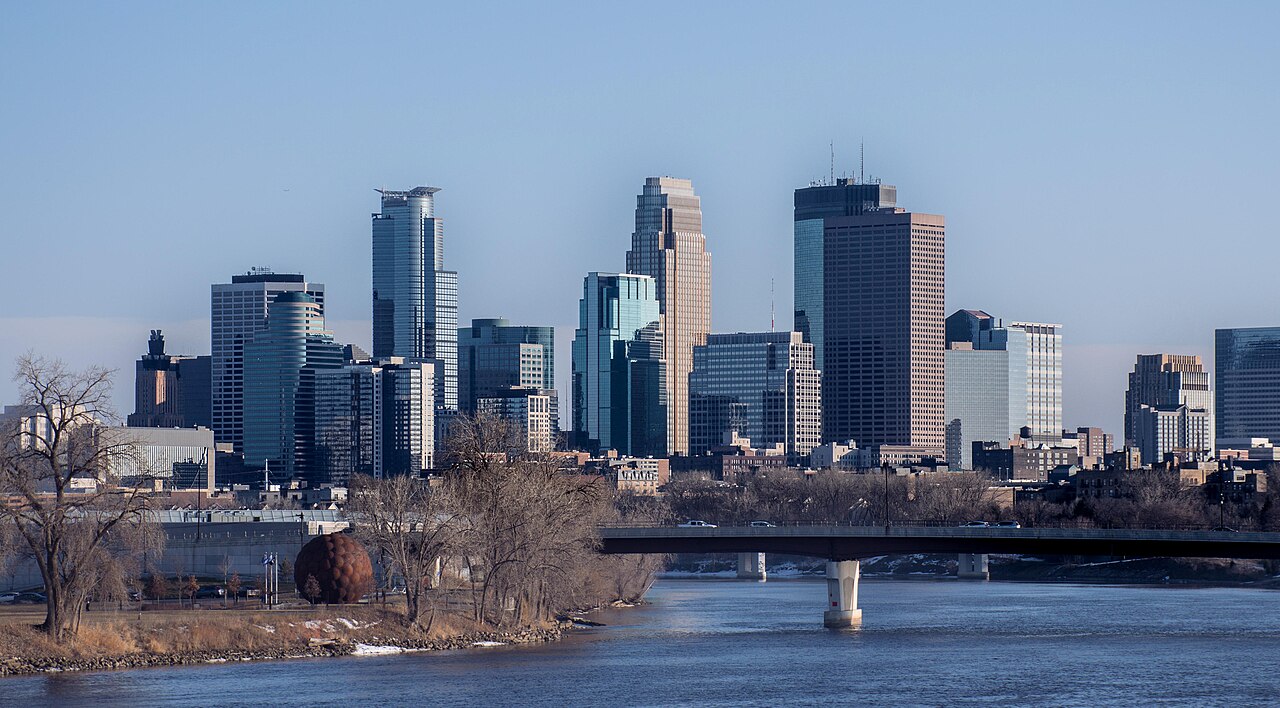
Minneapolis, the largest city in Minnesota, is a vibrant cultural hub with a rich history and stunning natural beauty. With a population of 429,954 as of the 2020 census, it is the state's most populous city, and its metropolitan area, known as the Twin Cities, is home to 3.69 million residents. The city is situated on the banks of the Upper Mississippi River and is known for its numerous lakes, parks, and water features, earning it the nickname the City of Lakes. The city's public park system is connected by the Grand Rounds National Scenic Byway, a 13-mile parkway that showcases the city's natural beauty. Minneapolis is also home to a thriving arts and culture scene, with numerous museums, galleries, and performance venues, including the Walker Art Center and the Minneapolis Institute of Art.
🌊 The City of Lakes: Water Features and Parks
The City of Lakes is abundant in water, with thirteen lakes, wetlands, the Mississippi River, creeks, and waterfalls. The city's most famous lake is Lake Calhoun, which offers beautiful scenery, walking and biking paths, and plenty of opportunities for boating and fishing. The city's park system is also home to the Minnehaha Falls, a 53-foot waterfall that is one of the city's most popular attractions. The Chain of Lakes is another popular destination, with five connected lakes that offer boating, fishing, and swimming. The city's water features are a major part of its identity and are celebrated in various festivals and events throughout the year, including the Minneapolis Lake Life festival.
🏞️ Geography and Climate of Minneapolis
Minneapolis is built on an artesian aquifer on relatively flat terrain, which makes it prone to cold, snowy winters and hot, humid summers. The city's geography is also characterized by its numerous lakes and water features, which have a moderating effect on the climate. The city's average temperature in January, the coldest month, is around 14°F (-10°C), while the average temperature in July, the warmest month, is around 83°F (28°C). The city's climate is also influenced by its proximity to the Upper Mississippi River, which can bring warm, humid air from the Gulf of Mexico. The city's weather is monitored by the National Weather Service, which provides forecasts and warnings for the area. The University of Minnesota is also home to a renowned department of atmospheric sciences, which conducts research on the city's climate and weather patterns.
📊 Demographics and Population of Minneapolis
As of the 2020 census, the population of Minneapolis is 429,954, making it the state's most populous city. The city's population is diverse, with a mix of young professionals, families, and long-time residents. The city is also home to a large number of students, with the University of Minnesota and other colleges and universities located in the area. The city's demographics are also influenced by its history of immigration, with many residents tracing their ancestry back to Europe, Asia, and Africa. The city's population is expected to continue growing, with new developments and attractions being built in the area, including the US Bank Stadium and the Minneapolis Skyway System.
🏛️ History of Minneapolis: Founding and Growth
Minneapolis has a rich and fascinating history, dating back to the early 19th century when it was founded as a small trading post. The city grew rapidly during the late 19th and early 20th centuries, driven by the expansion of the railroad and the growth of the flour milling industry. The city became a major hub for the production of flour, with companies like General Mills and Pillsbury dominating the industry. The city's history is also marked by its role in the American Civil War, with many residents fighting for the Union. The city's Minneapolis Historical Society is dedicated to preserving the city's history and offers tours and exhibits on the city's past.
🎨 Arts and Culture in Minneapolis
Minneapolis is a vibrant cultural hub, with a thriving arts and culture scene. The city is home to numerous museums, galleries, and performance venues, including the Walker Art Center and the Minneapolis Institute of Art. The city is also known for its music scene, with influential artists like Prince and Bob Dylan emerging from the city. The city's First Avenue nightclub is a legendary venue that has hosted many famous acts over the years. The city's arts and culture scene is also supported by a number of organizations, including the Minneapolis Arts Council and the Minnesota State Arts Board.
📚 Education in Minneapolis: Universities and Colleges
Minneapolis is home to a number of excellent universities and colleges, including the University of Minnesota and Augsburg University. The city's education system is highly regarded, with a number of top-ranked schools and programs. The Minneapolis Public Schools district is one of the largest in the state, with over 30,000 students enrolled. The city is also home to a number of private schools, including the Breck School and the Minnehaha Academy. The city's education system is supported by a number of organizations, including the Minneapolis Education Partnership and the University of Minnesota Foundation.
🏈 Sports in Minneapolis: Teams and Venues
Minneapolis is a sports-loving city, with a number of professional and amateur teams calling the city home. The city is home to the Minnesota Vikings (football), the Minnesota Twins (baseball), and the Minnesota Timberwolves (basketball). The city's sports teams play at a number of venues, including the US Bank Stadium and the Target Center. The city is also home to a number of parks and recreation facilities, including the Minneapolis Parks and Recreation department. The city's sports scene is supported by a number of organizations, including the Minneapolis Sports Commission and the Minnesota Sports Facilities Authority.
🍴 Food and Drink in Minneapolis: Local Cuisine
Minneapolis is known for its vibrant food and drink scene, with a number of excellent restaurants, bars, and cafes. The city is home to a number of local specialties, including Juicy Lucy burgers and Tater Tot hotdish. The city is also known for its craft beer scene, with a number of local breweries like Surly Brewing and Fulton Beer. The city's food and drink scene is supported by a number of organizations, including the Minneapolis Food Truck Festival and the Minnesota Craft Brewers Guild.
🎶 Music Scene in Minneapolis: Influential Artists
Minneapolis has a thriving music scene, with a number of influential artists emerging from the city. The city is known for its First Avenue nightclub, which has hosted many famous acts over the years. The city is also home to a number of music venues, including the State Theatre and the Orpheum Theatre. The city's music scene is supported by a number of organizations, including the Minneapolis Music Initiative and the Minnesota Music Coalition. The city is also home to a number of music festivals, including the Minneapolis Jazz Festival and the Rock the Garden festival.
📸 Tourism in Minneapolis: Attractions and Events
Minneapolis is a popular tourist destination, with a number of attractions and events drawing visitors to the city. The city is home to a number of museums, including the Walker Art Center and the Minneapolis Institute of Art. The city is also known for its Minnehaha Falls, a 53-foot waterfall that is one of the city's most popular attractions. The city's tourism industry is supported by a number of organizations, including the Meet Minneapolis convention and visitors bureau and the Minneapolis Tourism Board. The city is also home to a number of festivals and events, including the Minneapolis Festival and the Twin Cities Marathon.
Key Facts
- Year
- 1856
- Origin
- Dakota Native American tribes and European settlers
- Category
- Cities
- Type
- City
Frequently Asked Questions
What is the population of Minneapolis?
As of the 2020 census, the population of Minneapolis is 429,954. The city's population is diverse, with a mix of young professionals, families, and long-time residents. The city is also home to a large number of students, with the University of Minnesota and other colleges and universities located in the area.
What is the climate like in Minneapolis?
Minneapolis has a continental climate, with cold, snowy winters and hot, humid summers. The city's average temperature in January, the coldest month, is around 14°F (-10°C), while the average temperature in July, the warmest month, is around 83°F (28°C). The city's climate is also influenced by its proximity to the Upper Mississippi River, which can bring warm, humid air from the Gulf of Mexico.
What are some popular attractions in Minneapolis?
Minneapolis is home to a number of popular attractions, including the Minneapolis Institute of Art, the Walker Art Center, and the Minnehaha Falls. The city is also known for its vibrant food and drink scene, with a number of excellent restaurants, bars, and cafes. The city's First Avenue nightclub is a legendary venue that has hosted many famous acts over the years.
What is the economy like in Minneapolis?
Minneapolis has a diverse economy, with major industries including healthcare, technology, and manufacturing. The city is home to a number of major companies, including Target and UnitedHealth Group. The city's economy is also supported by a number of small businesses and startups, with a thriving entrepreneurial scene. The city's Minneapolis Chamber of Commerce is a major organization that supports the city's businesses and economy.
What are some popular festivals and events in Minneapolis?
Minneapolis is home to a number of popular festivals and events, including the Minneapolis Festival, the Twin Cities Marathon, and the Minneapolis Jazz Festival. The city's Rock the Garden festival is a popular music festival that features local and national acts. The city's Minneapolis Food Truck Festival is a popular event that showcases the city's food and drink scene.
What are some popular neighborhoods in Minneapolis?
Minneapolis is home to a number of popular neighborhoods, including Downtown Minneapolis, Uptown Minneapolis, and Nordeast Minneapolis. The city's Warehouse District is a popular area for nightlife and entertainment, with a number of bars, clubs, and restaurants. The city's King Field neighborhood is a popular area for families, with a number of parks and recreation facilities.
What are some popular universities and colleges in Minneapolis?
Minneapolis is home to a number of excellent universities and colleges, including the University of Minnesota and Augsburg University. The city's Minneapolis College of Art and Design is a popular school for art and design students. The city's North Central University is a popular school for business and education students.