
Contents
- 🎵 Introduction to Synthesizers
- 📚 History of Synthesizers
- 🎹 Subtractive Synthesis
- 📈 Additive Synthesis
- 🔍 Frequency Modulation Synthesis
- 🎧 Filters and Envelopes
- 🕺 Low-Frequency Oscillators
- 📊 MIDI and Sequencing
- 🤖 Software Synthesizers
- 🎶 Contemporary Synthesizer Music
- 📊 The Future of Synthesizers
- 👥 Conclusion and Legacy
- Frequently Asked Questions
- Related Topics
Overview
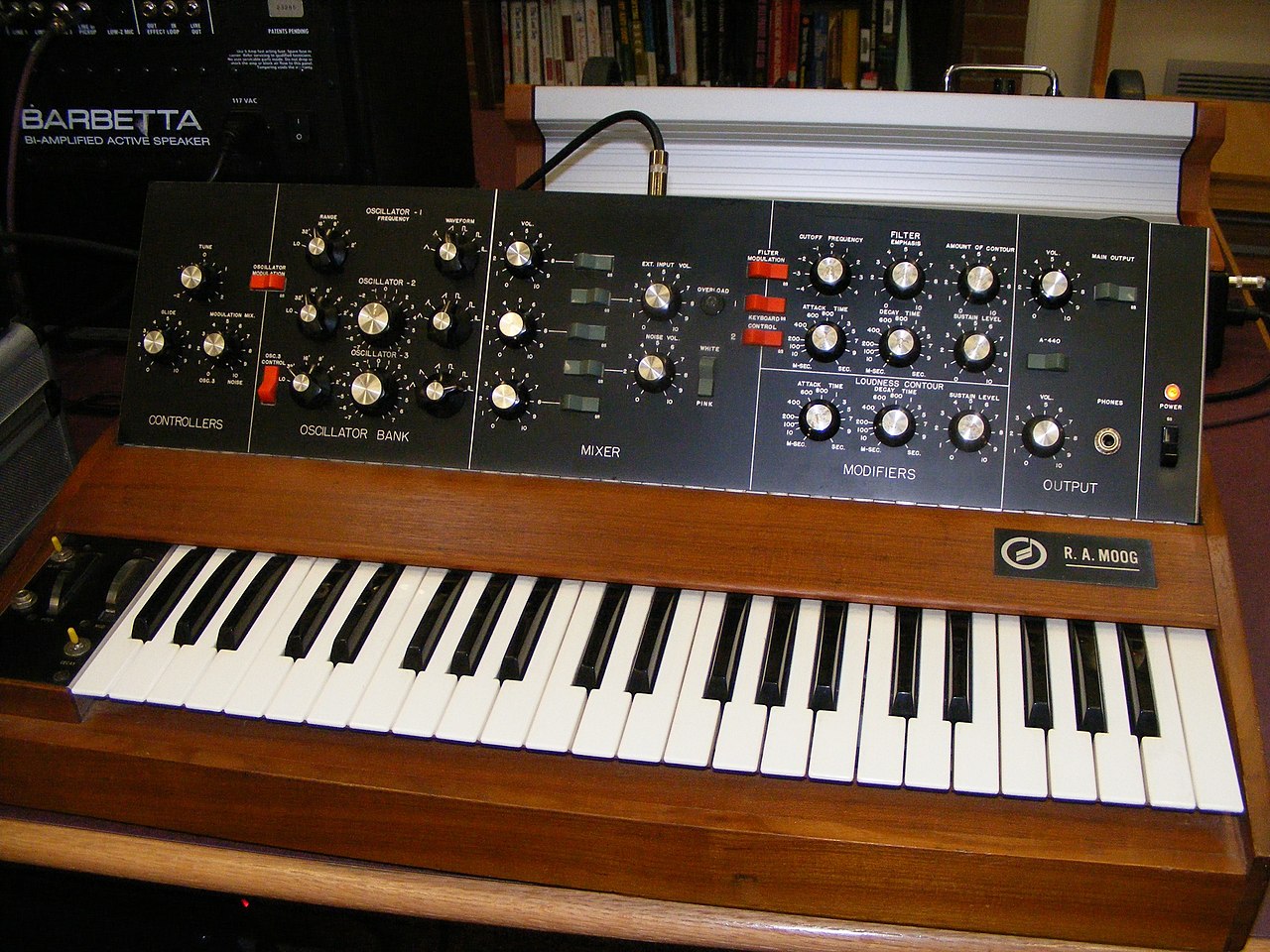
The world of music technology has been revolutionized by the development of Synthesizers, which have enabled musicians to create new and innovative sounds. A Synthesizer is an electronic musical instrument that generates audio signals, and is typically played with Keyboards or controlled by Sequencers. The sounds produced by synthesizers can be altered by components such as Filters, which cut or boost frequencies, and Envelopes, which control articulation. For example, the Moog Minimoog is a classic synthesizer that has been used by many famous musicians, including Kraftwerk and Tangerine Dream. The Roland Jupiter-8 is another influential synthesizer that has been used in many genres of music, from Electronic Music to Pop Music.
📚 History of Synthesizers
The history of Synthesizers dates back to the early 20th century, when Leon Theremin invented the Theremin, one of the first electronic musical instruments. The development of synthesizers continued throughout the 20th century, with the introduction of Voltage-Controlled Oscillators and Modular Synthesizers. The Moog Modular synthesizer, developed by Bob Moog, is a classic example of a modular synthesizer. The Buchla Electronic Music System is another influential synthesizer that has been used by many musicians, including Don Buchla and Suzanne Ciani. The Korg MS-20 is a semi-modular synthesizer that has been used in many genres of music, from Rock Music to Hip-Hop.
🎹 Subtractive Synthesis
Subtractive synthesis is a method of sound generation that involves filtering a waveform to remove unwanted frequencies. This method is commonly used in Analog Synthesizers, such as the Moog Minimoog and the Roland Jupiter-8. The Korg MS-20 is another example of a synthesizer that uses subtractive synthesis. The Oberheim OB-X is a classic synthesizer that has been used by many famous musicians, including Jean-Michel Jarre and Giorgio Moroder. Subtractive synthesis is often used to create rich and complex sounds, and is a key component of many Electronic Music genres. For example, the Techno genre relies heavily on subtractive synthesis, with artists such as Juan Atkins and Derrick May using synthesizers to create the distinctive sounds of the genre.
📈 Additive Synthesis
Additive synthesis is a method of sound generation that involves adding together multiple waveforms to create a new sound. This method is commonly used in Digital Synthesizers, such as the Korg M1 and the Roland D-50. The Yamaha DX7 is another example of a synthesizer that uses additive synthesis. The Kawai K5 is a digital synthesizer that has been used by many musicians, including Depeche Mode and The Cure. Additive synthesis is often used to create bright and percussive sounds, and is a key component of many Pop Music genres. For example, the Synth-Pop genre relies heavily on additive synthesis, with artists such as Gary Numan and Heaven 17 using synthesizers to create the distinctive sounds of the genre.
🔍 Frequency Modulation Synthesis
Frequency modulation synthesis is a method of sound generation that involves modulating the frequency of one waveform with another. This method is commonly used in Digital Synthesizers, such as the Yamaha DX7 and the Korg M1. The Roland D-50 is another example of a synthesizer that uses frequency modulation synthesis. The Casio CZ-101 is a digital synthesizer that has been used by many musicians, including Aphex Twin and Squarepusher. Frequency modulation synthesis is often used to create percussive and dynamic sounds, and is a key component of many Electronic Music genres. For example, the Drum and Bass genre relies heavily on frequency modulation synthesis, with artists such as Goldie and Photek using synthesizers to create the distinctive sounds of the genre.
🎧 Filters and Envelopes
Filters and envelopes are two of the most important components of a Synthesizer. Filters are used to cut or boost specific frequencies, and can be used to create a wide range of sounds, from simple tones to complex textures. Envelopes, on the other hand, are used to control the articulation of a sound, and can be used to create dynamic and expressive sounds. The Moog Minimoog is a classic example of a synthesizer that uses filters and envelopes to create rich and complex sounds. The Roland Jupiter-8 is another example of a synthesizer that uses filters and envelopes to create dynamic and expressive sounds. For example, the Filter section of the Korg MS-20 allows for a wide range of tonal possibilities, from simple low-pass filtering to complex resonant filtering.
🕺 Low-Frequency Oscillators
Low-frequency oscillators (LFOs) are a key component of many Synthesizers. LFOs are used to modulate parameters such as pitch, volume, or filter characteristics, and can be used to create dynamic and expressive sounds. The Moog Minimoog is a classic example of a synthesizer that uses LFOs to create rich and complex sounds. The Roland Jupiter-8 is another example of a synthesizer that uses LFOs to create dynamic and expressive sounds. For example, the LFO section of the Korg MS-20 allows for a wide range of modulation possibilities, from simple vibrato to complex rhythmic effects.
📊 MIDI and Sequencing
MIDI (Musical Instrument Digital Interface) is a protocol that allows Synthesizers and other electronic musical instruments to communicate with each other. MIDI is commonly used to synchronize Sequencers and other equipment, and is a key component of many Electronic Music genres. The Korg M1 is a classic example of a synthesizer that uses MIDI to create complex and dynamic sounds. The Roland D-50 is another example of a synthesizer that uses MIDI to create rich and expressive sounds. For example, the MIDI protocol allows for the synchronization of multiple synthesizers, creating a powerful and flexible sound generation system.
🤖 Software Synthesizers
Software Synthesizers have become increasingly popular in recent years, and offer a wide range of advantages over traditional hardware synthesizers. Software synthesizers are often more flexible and customizable than hardware synthesizers, and can be used to create a wide range of sounds and textures. The Ableton Live is a popular software synthesizer that is widely used in the music industry. The Logic Pro is another example of a software synthesizer that is widely used in the music industry. For example, the Serum plugin is a popular software synthesizer that is known for its high-quality sound and flexible interface.
🎶 Contemporary Synthesizer Music
Contemporary Synthesizer Music is a diverse and vibrant genre, with a wide range of styles and influences. From the Ambient Music of Brian Eno to the Techno of Jeff Mills, synthesizer music has played a key role in shaping the sound of modern music. The Kraftwerk is a classic example of a synthesizer music group that has had a profound influence on the development of Electronic Music. The Tangerine Dream is another example of a synthesizer music group that has had a significant influence on the development of Electronic Music. For example, the Daft Punk is a popular music group that has used synthesizers to create a wide range of sounds and textures.
📊 The Future of Synthesizers
The future of Synthesizers is likely to be shaped by advances in technology and changes in musical trends. As Software Synthesizers continue to improve in quality and flexibility, it is likely that they will become an increasingly important part of the music-making process. The Hardware Synthesizers will also continue to evolve, with new features and technologies being developed to meet the needs of musicians. For example, the Eurorack format is a popular modular synthesizer format that allows for a wide range of customization and expansion possibilities.
👥 Conclusion and Legacy
In conclusion, Synthesizers have played a key role in shaping the sound of modern music, and will continue to be an important part of the music-making process in the future. From the early days of Leon Theremin and Bob Moog to the modern software synthesizers of today, the synthesizer has evolved into a powerful and flexible instrument that is capable of creating a wide range of sounds and textures. The Synthesizer has also had a significant influence on the development of Electronic Music, and will continue to be an important part of this genre in the future.
Key Facts
- Year
- 1967
- Origin
- United States
- Category
- Music Technology
- Type
- Music Instrument
Frequently Asked Questions
What is a synthesizer?
A Synthesizer is an electronic musical instrument that generates audio signals. Synthesizers typically create sounds by generating waveforms through methods including Subtractive Synthesis, Additive Synthesis, and Frequency Modulation Synthesis. These sounds may be altered by components such as Filters, which cut or boost frequencies, and Envelopes, which control articulation. For example, the Moog Minimoog is a classic synthesizer that has been used by many famous musicians, including Kraftwerk and Tangerine Dream.
What are the different types of synthesizers?
There are several types of Synthesizers, including Analog Synthesizers, Digital Synthesizers, and Software Synthesizers. Analog Synthesizers use analog circuits to generate sound, while Digital Synthesizers use digital signal processing to generate sound. Software Synthesizers are computer programs that generate sound using algorithms and digital signal processing. For example, the Korg M1 is a digital synthesizer that has been used by many musicians, including Depeche Mode and The Cure.
What is MIDI?
MIDI (Musical Instrument Digital Interface) is a protocol that allows Synthesizers and other electronic musical instruments to communicate with each other. MIDI is commonly used to synchronize Sequencers and other equipment, and is a key component of many Electronic Music genres. For example, the Ableton Live is a popular software synthesizer that uses MIDI to create complex and dynamic sounds.
What is the difference between a synthesizer and a keyboard?
A Synthesizer is an electronic musical instrument that generates audio signals, while a Keyboard is a type of electronic musical instrument that is played by pressing keys. While all Keyboards are not Synthesizers, all Synthesizers can be played using a Keyboard. For example, the Moog Minimoog is a classic synthesizer that is played using a Keyboard.
What are some popular synthesizers?
Some popular Synthesizers include the Moog Minimoog, the Roland Jupiter-8, and the Korg M1. These synthesizers have been used by many famous musicians, including Kraftwerk, Tangerine Dream, and Depeche Mode. For example, the Daft Punk is a popular music group that has used synthesizers to create a wide range of sounds and textures.